
Get trending papers in your email inbox once a day!
Get trending papers in your email inbox!
Subscribe

Beyond Isolated Words: Diffusion Brush for Handwritten Text-Line Generation
Existing handwritten text generation methods primarily focus on isolated words. However, realistic handwritten text demands attention not only to individual words but also to the relationships between them, such as vertical alignment and horizontal spacing. Therefore, generating entire text lines emerges as a more promising and comprehensive task. However, this task poses significant challenges, including the accurate modeling of complex style patterns encompassing both intra- and inter-word relationships, and maintaining content accuracy across numerous characters. To address these challenges, we propose DiffBrush, a novel diffusion-based model for handwritten text-line generation. Unlike existing methods, DiffBrush excels in both style imitation and content accuracy through two key strategies: (1) content-decoupled style learning, which disentangles style from content to better capture intra-word and inter-word style patterns by using column- and row-wise masking; and (2) multi-scale content learning, which employs line and word discriminators to ensure global coherence and local accuracy of textual content. Extensive experiments show that DiffBrush excels in generating high-quality text lines, particularly in style reproduction and content preservation. Code is available at https://github.com/dailenson/DiffBrush.

Streamlining Image Editing with Layered Diffusion Brushes
Denoising diffusion models have recently gained prominence as powerful tools for a variety of image generation and manipulation tasks. Building on this, we propose a novel tool for real-time editing of images that provides users with fine-grained region-targeted supervision in addition to existing prompt-based controls. Our novel editing technique, termed Layered Diffusion Brushes, leverages prompt-guided and region-targeted alteration of intermediate denoising steps, enabling precise modifications while maintaining the integrity and context of the input image. We provide an editor based on Layered Diffusion Brushes modifications, which incorporates well-known image editing concepts such as layer masks, visibility toggles, and independent manipulation of layers; regardless of their order. Our system renders a single edit on a 512x512 image within 140 ms using a high-end consumer GPU, enabling real-time feedback and rapid exploration of candidate edits. We validated our method and editing system through a user study involving both natural images (using inversion) and generated images, showcasing its usability and effectiveness compared to existing techniques such as InstructPix2Pix and Stable Diffusion Inpainting for refining images. Our approach demonstrates efficacy across a range of tasks, including object attribute adjustments, error correction, and sequential prompt-based object placement and manipulation, demonstrating its versatility and potential for enhancing creative workflows.
Brush Your Text: Synthesize Any Scene Text on Images via Diffusion Model
Recently, diffusion-based image generation methods are credited for their remarkable text-to-image generation capabilities, while still facing challenges in accurately generating multilingual scene text images. To tackle this problem, we propose Diff-Text, which is a training-free scene text generation framework for any language. Our model outputs a photo-realistic image given a text of any language along with a textual description of a scene. The model leverages rendered sketch images as priors, thus arousing the potential multilingual-generation ability of the pre-trained Stable Diffusion. Based on the observation from the influence of the cross-attention map on object placement in generated images, we propose a localized attention constraint into the cross-attention layer to address the unreasonable positioning problem of scene text. Additionally, we introduce contrastive image-level prompts to further refine the position of the textual region and achieve more accurate scene text generation. Experiments demonstrate that our method outperforms the existing method in both the accuracy of text recognition and the naturalness of foreground-background blending.
BrushNet: A Plug-and-Play Image Inpainting Model with Decomposed Dual-Branch Diffusion
Image inpainting, the process of restoring corrupted images, has seen significant advancements with the advent of diffusion models (DMs). Despite these advancements, current DM adaptations for inpainting, which involve modifications to the sampling strategy or the development of inpainting-specific DMs, frequently suffer from semantic inconsistencies and reduced image quality. Addressing these challenges, our work introduces a novel paradigm: the division of masked image features and noisy latent into separate branches. This division dramatically diminishes the model's learning load, facilitating a nuanced incorporation of essential masked image information in a hierarchical fashion. Herein, we present BrushNet, a novel plug-and-play dual-branch model engineered to embed pixel-level masked image features into any pre-trained DM, guaranteeing coherent and enhanced image inpainting outcomes. Additionally, we introduce BrushData and BrushBench to facilitate segmentation-based inpainting training and performance assessment. Our extensive experimental analysis demonstrates BrushNet's superior performance over existing models across seven key metrics, including image quality, mask region preservation, and textual coherence.


In-Context Brush: Zero-shot Customized Subject Insertion with Context-Aware Latent Space Manipulation
Recent advances in diffusion models have enhanced multimodal-guided visual generation, enabling customized subject insertion that seamlessly "brushes" user-specified objects into a given image guided by textual prompts. However, existing methods often struggle to insert customized subjects with high fidelity and align results with the user's intent through textual prompts. In this work, we propose "In-Context Brush", a zero-shot framework for customized subject insertion by reformulating the task within the paradigm of in-context learning. Without loss of generality, we formulate the object image and the textual prompts as cross-modal demonstrations, and the target image with the masked region as the query. The goal is to inpaint the target image with the subject aligning textual prompts without model tuning. Building upon a pretrained MMDiT-based inpainting network, we perform test-time enhancement via dual-level latent space manipulation: intra-head "latent feature shifting" within each attention head that dynamically shifts attention outputs to reflect the desired subject semantics and inter-head "attention reweighting" across different heads that amplifies prompt controllability through differential attention prioritization. Extensive experiments and applications demonstrate that our approach achieves superior identity preservation, text alignment, and image quality compared to existing state-of-the-art methods, without requiring dedicated training or additional data collection.
MTADiffusion: Mask Text Alignment Diffusion Model for Object Inpainting
Advancements in generative models have enabled image inpainting models to generate content within specific regions of an image based on provided prompts and masks. However, existing inpainting methods often suffer from problems such as semantic misalignment, structural distortion, and style inconsistency. In this work, we present MTADiffusion, a Mask-Text Alignment diffusion model designed for object inpainting. To enhance the semantic capabilities of the inpainting model, we introduce MTAPipeline, an automatic solution for annotating masks with detailed descriptions. Based on the MTAPipeline, we construct a new MTADataset comprising 5 million images and 25 million mask-text pairs. Furthermore, we propose a multi-task training strategy that integrates both inpainting and edge prediction tasks to improve structural stability. To promote style consistency, we present a novel inpainting style-consistency loss using a pre-trained VGG network and the Gram matrix. Comprehensive evaluations on BrushBench and EditBench demonstrate that MTADiffusion achieves state-of-the-art performance compared to other methods.
BrushEdit: All-In-One Image Inpainting and Editing
Image editing has advanced significantly with the development of diffusion models using both inversion-based and instruction-based methods. However, current inversion-based approaches struggle with big modifications (e.g., adding or removing objects) due to the structured nature of inversion noise, which hinders substantial changes. Meanwhile, instruction-based methods often constrain users to black-box operations, limiting direct interaction for specifying editing regions and intensity. To address these limitations, we propose BrushEdit, a novel inpainting-based instruction-guided image editing paradigm, which leverages multimodal large language models (MLLMs) and image inpainting models to enable autonomous, user-friendly, and interactive free-form instruction editing. Specifically, we devise a system enabling free-form instruction editing by integrating MLLMs and a dual-branch image inpainting model in an agent-cooperative framework to perform editing category classification, main object identification, mask acquisition, and editing area inpainting. Extensive experiments show that our framework effectively combines MLLMs and inpainting models, achieving superior performance across seven metrics including mask region preservation and editing effect coherence.



DreamStyler: Paint by Style Inversion with Text-to-Image Diffusion Models
Recent progresses in large-scale text-to-image models have yielded remarkable accomplishments, finding various applications in art domain. However, expressing unique characteristics of an artwork (e.g. brushwork, colortone, or composition) with text prompts alone may encounter limitations due to the inherent constraints of verbal description. To this end, we introduce DreamStyler, a novel framework designed for artistic image synthesis, proficient in both text-to-image synthesis and style transfer. DreamStyler optimizes a multi-stage textual embedding with a context-aware text prompt, resulting in prominent image quality. In addition, with content and style guidance, DreamStyler exhibits flexibility to accommodate a range of style references. Experimental results demonstrate its superior performance across multiple scenarios, suggesting its promising potential in artistic product creation.



Reality's Canvas, Language's Brush: Crafting 3D Avatars from Monocular Video
Recent advancements in 3D avatar generation excel with multi-view supervision for photorealistic models. However, monocular counterparts lag in quality despite broader applicability. We propose ReCaLab to close this gap. ReCaLab is a fully-differentiable pipeline that learns high-fidelity 3D human avatars from just a single RGB video. A pose-conditioned deformable NeRF is optimized to volumetrically represent a human subject in canonical T-pose. The canonical representation is then leveraged to efficiently associate viewpoint-agnostic textures using 2D-3D correspondences. This enables to separately generate albedo and shading which jointly compose an RGB prediction. The design allows to control intermediate results for human pose, body shape, texture, and lighting with text prompts. An image-conditioned diffusion model thereby helps to animate appearance and pose of the 3D avatar to create video sequences with previously unseen human motion. Extensive experiments show that ReCaLab outperforms previous monocular approaches in terms of image quality for image synthesis tasks. ReCaLab even outperforms multi-view methods that leverage up to 19x more synchronized videos for the task of novel pose rendering. Moreover, natural language offers an intuitive user interface for creative manipulation of 3D human avatars.

ArtFusion: Arbitrary Style Transfer using Dual Conditional Latent Diffusion Models
Arbitrary Style Transfer (AST) aims to transform images by adopting the style from any selected artwork. Nonetheless, the need to accommodate diverse and subjective user preferences poses a significant challenge. While some users wish to preserve distinct content structures, others might favor a more pronounced stylization. Despite advances in feed-forward AST methods, their limited customizability hinders their practical application. We propose a new approach, ArtFusion, which provides a flexible balance between content and style. In contrast to traditional methods reliant on biased similarity losses, ArtFusion utilizes our innovative Dual Conditional Latent Diffusion Probabilistic Models (Dual-cLDM). This approach mitigates repetitive patterns and enhances subtle artistic aspects like brush strokes and genre-specific features. Despite the promising results of conditional diffusion probabilistic models (cDM) in various generative tasks, their introduction to style transfer is challenging due to the requirement for paired training data. ArtFusion successfully navigates this issue, offering more practical and controllable stylization. A key element of our approach involves using a single image for both content and style during model training, all the while maintaining effective stylization during inference. ArtFusion outperforms existing approaches on outstanding controllability and faithful presentation of artistic details, providing evidence of its superior style transfer capabilities. Furthermore, the Dual-cLDM utilized in ArtFusion carries the potential for a variety of complex multi-condition generative tasks, thus greatly broadening the impact of our research.

DiffStyler: Diffusion-based Localized Image Style Transfer
Image style transfer aims to imbue digital imagery with the distinctive attributes of style targets, such as colors, brushstrokes, shapes, whilst concurrently preserving the semantic integrity of the content. Despite the advancements in arbitrary style transfer methods, a prevalent challenge remains the delicate equilibrium between content semantics and style attributes. Recent developments in large-scale text-to-image diffusion models have heralded unprecedented synthesis capabilities, albeit at the expense of relying on extensive and often imprecise textual descriptions to delineate artistic styles. Addressing these limitations, this paper introduces DiffStyler, a novel approach that facilitates efficient and precise arbitrary image style transfer. DiffStyler lies the utilization of a text-to-image Stable Diffusion model-based LoRA to encapsulate the essence of style targets. This approach, coupled with strategic cross-LoRA feature and attention injection, guides the style transfer process. The foundation of our methodology is rooted in the observation that LoRA maintains the spatial feature consistency of UNet, a discovery that further inspired the development of a mask-wise style transfer technique. This technique employs masks extracted through a pre-trained FastSAM model, utilizing mask prompts to facilitate feature fusion during the denoising process, thereby enabling localized style transfer that preserves the original image's unaffected regions. Moreover, our approach accommodates multiple style targets through the use of corresponding masks. Through extensive experimentation, we demonstrate that DiffStyler surpasses previous methods in achieving a more harmonious balance between content preservation and style integration.
Arbitrary Style Guidance for Enhanced Diffusion-Based Text-to-Image Generation
Diffusion-based text-to-image generation models like GLIDE and DALLE-2 have gained wide success recently for their superior performance in turning complex text inputs into images of high quality and wide diversity. In particular, they are proven to be very powerful in creating graphic arts of various formats and styles. Although current models supported specifying style formats like oil painting or pencil drawing, fine-grained style features like color distributions and brush strokes are hard to specify as they are randomly picked from a conditional distribution based on the given text input. Here we propose a novel style guidance method to support generating images using arbitrary style guided by a reference image. The generation method does not require a separate style transfer model to generate desired styles while maintaining image quality in generated content as controlled by the text input. Additionally, the guidance method can be applied without a style reference, denoted as self style guidance, to generate images of more diverse styles. Comprehensive experiments prove that the proposed method remains robust and effective in a wide range of conditions, including diverse graphic art forms, image content types and diffusion models.

Inversion-Based Style Transfer with Diffusion Models
The artistic style within a painting is the means of expression, which includes not only the painting material, colors, and brushstrokes, but also the high-level attributes including semantic elements, object shapes, etc. Previous arbitrary example-guided artistic image generation methods often fail to control shape changes or convey elements. The pre-trained text-to-image synthesis diffusion probabilistic models have achieved remarkable quality, but it often requires extensive textual descriptions to accurately portray attributes of a particular painting. We believe that the uniqueness of an artwork lies precisely in the fact that it cannot be adequately explained with normal language. Our key idea is to learn artistic style directly from a single painting and then guide the synthesis without providing complex textual descriptions. Specifically, we assume style as a learnable textual description of a painting. We propose an inversion-based style transfer method (InST), which can efficiently and accurately learn the key information of an image, thus capturing and transferring the artistic style of a painting. We demonstrate the quality and efficiency of our method on numerous paintings of various artists and styles. Code and models are available at https://github.com/zyxElsa/InST.

Generative Photomontage
Text-to-image models are powerful tools for image creation. However, the generation process is akin to a dice roll and makes it difficult to achieve a single image that captures everything a user wants. In this paper, we propose a framework for creating the desired image by compositing it from various parts of generated images, in essence forming a Generative Photomontage. Given a stack of images generated by ControlNet using the same input condition and different seeds, we let users select desired parts from the generated results using a brush stroke interface. We introduce a novel technique that takes in the user's brush strokes, segments the generated images using a graph-based optimization in diffusion feature space, and then composites the segmented regions via a new feature-space blending method. Our method faithfully preserves the user-selected regions while compositing them harmoniously. We demonstrate that our flexible framework can be used for many applications, including generating new appearance combinations, fixing incorrect shapes and artifacts, and improving prompt alignment. We show compelling results for each application and demonstrate that our method outperforms existing image blending methods and various baselines.
MixSA: Training-free Reference-based Sketch Extraction via Mixture-of-Self-Attention
Current sketch extraction methods either require extensive training or fail to capture a wide range of artistic styles, limiting their practical applicability and versatility. We introduce Mixture-of-Self-Attention (MixSA), a training-free sketch extraction method that leverages strong diffusion priors for enhanced sketch perception. At its core, MixSA employs a mixture-of-self-attention technique, which manipulates self-attention layers by substituting the keys and values with those from reference sketches. This allows for the seamless integration of brushstroke elements into initial outline images, offering precise control over texture density and enabling interpolation between styles to create novel, unseen styles. By aligning brushstroke styles with the texture and contours of colored images, particularly in late decoder layers handling local textures, MixSA addresses the common issue of color averaging by adjusting initial outlines. Evaluated with various perceptual metrics, MixSA demonstrates superior performance in sketch quality, flexibility, and applicability. This approach not only overcomes the limitations of existing methods but also empowers users to generate diverse, high-fidelity sketches that more accurately reflect a wide range of artistic expressions.
Edicho: Consistent Image Editing in the Wild
As a verified need, consistent editing across in-the-wild images remains a technical challenge arising from various unmanageable factors, like object poses, lighting conditions, and photography environments. Edicho steps in with a training-free solution based on diffusion models, featuring a fundamental design principle of using explicit image correspondence to direct editing. Specifically, the key components include an attention manipulation module and a carefully refined classifier-free guidance (CFG) denoising strategy, both of which take into account the pre-estimated correspondence. Such an inference-time algorithm enjoys a plug-and-play nature and is compatible to most diffusion-based editing methods, such as ControlNet and BrushNet. Extensive results demonstrate the efficacy of Edicho in consistent cross-image editing under diverse settings. We will release the code to facilitate future studies.

Mixture of Diffusers for scene composition and high resolution image generation
Diffusion methods have been proven to be very effective to generate images while conditioning on a text prompt. However, and although the quality of the generated images is unprecedented, these methods seem to struggle when trying to generate specific image compositions. In this paper we present Mixture of Diffusers, an algorithm that builds over existing diffusion models to provide a more detailed control over composition. By harmonizing several diffusion processes acting on different regions of a canvas, it allows generating larger images, where the location of each object and style is controlled by a separate diffusion process.
3D Paintbrush: Local Stylization of 3D Shapes with Cascaded Score Distillation
In this work we develop 3D Paintbrush, a technique for automatically texturing local semantic regions on meshes via text descriptions. Our method is designed to operate directly on meshes, producing texture maps which seamlessly integrate into standard graphics pipelines. We opt to simultaneously produce a localization map (to specify the edit region) and a texture map which conforms to it. This synergistic approach improves the quality of both the localization and the stylization. To enhance the details and resolution of the textured area, we leverage multiple stages of a cascaded diffusion model to supervise our local editing technique with generative priors learned from images at different resolutions. Our technique, referred to as Cascaded Score Distillation (CSD), simultaneously distills scores at multiple resolutions in a cascaded fashion, enabling control over both the granularity and global understanding of the supervision. We demonstrate the effectiveness of 3D Paintbrush to locally texture a variety of shapes within different semantic regions. Project page: https://threedle.github.io/3d-paintbrush

Not All Steps are Created Equal: Selective Diffusion Distillation for Image Manipulation
Conditional diffusion models have demonstrated impressive performance in image manipulation tasks. The general pipeline involves adding noise to the image and then denoising it. However, this method faces a trade-off problem: adding too much noise affects the fidelity of the image while adding too little affects its editability. This largely limits their practical applicability. In this paper, we propose a novel framework, Selective Diffusion Distillation (SDD), that ensures both the fidelity and editability of images. Instead of directly editing images with a diffusion model, we train a feedforward image manipulation network under the guidance of the diffusion model. Besides, we propose an effective indicator to select the semantic-related timestep to obtain the correct semantic guidance from the diffusion model. This approach successfully avoids the dilemma caused by the diffusion process. Our extensive experiments demonstrate the advantages of our framework. Code is released at https://github.com/AndysonYs/Selective-Diffusion-Distillation.


DiffEditor: Boosting Accuracy and Flexibility on Diffusion-based Image Editing
Large-scale Text-to-Image (T2I) diffusion models have revolutionized image generation over the last few years. Although owning diverse and high-quality generation capabilities, translating these abilities to fine-grained image editing remains challenging. In this paper, we propose DiffEditor to rectify two weaknesses in existing diffusion-based image editing: (1) in complex scenarios, editing results often lack editing accuracy and exhibit unexpected artifacts; (2) lack of flexibility to harmonize editing operations, e.g., imagine new content. In our solution, we introduce image prompts in fine-grained image editing, cooperating with the text prompt to better describe the editing content. To increase the flexibility while maintaining content consistency, we locally combine stochastic differential equation (SDE) into the ordinary differential equation (ODE) sampling. In addition, we incorporate regional score-based gradient guidance and a time travel strategy into the diffusion sampling, further improving the editing quality. Extensive experiments demonstrate that our method can efficiently achieve state-of-the-art performance on various fine-grained image editing tasks, including editing within a single image (e.g., object moving, resizing, and content dragging) and across images (e.g., appearance replacing and object pasting). Our source code is released at https://github.com/MC-E/DragonDiffusion.
Recovering Partially Corrupted Major Objects through Tri-modality Based Image Completion
Diffusion models have become widely adopted in image completion tasks, with text prompts commonly employed to ensure semantic coherence by providing high-level guidance. However, a persistent challenge arises when an object is partially obscured in the damaged region, yet its remaining parts are still visible in the background. While text prompts offer semantic direction, they often fail to precisely recover fine-grained structural details, such as the object's overall posture, ensuring alignment with the visible object information in the background. This limitation stems from the inability of text prompts to provide pixel-level specificity. To address this, we propose supplementing text-based guidance with a novel visual aid: a casual sketch, which can be roughly drawn by anyone based on visible object parts. This sketch supplies critical structural cues, enabling the generative model to produce an object structure that seamlessly integrates with the existing background. We introduce the Visual Sketch Self-Aware (VSSA) model, which integrates the casual sketch into each iterative step of the diffusion process, offering distinct advantages for partially corrupted scenarios. By blending sketch-derived features with those of the corrupted image, and leveraging text prompt guidance, the VSSA assists the diffusion model in generating images that preserve both the intended object semantics and structural consistency across the restored objects and original regions. To support this research, we created two datasets, CUB-sketch and MSCOCO-sketch, each combining images, sketches, and text. Extensive qualitative and quantitative experiments demonstrate that our approach outperforms several state-of-the-art methods.
LIME: Localized Image Editing via Attention Regularization in Diffusion Models
Diffusion models (DMs) have gained prominence due to their ability to generate high-quality, varied images, with recent advancements in text-to-image generation. The research focus is now shifting towards the controllability of DMs. A significant challenge within this domain is localized editing, where specific areas of an image are modified without affecting the rest of the content. This paper introduces LIME for localized image editing in diffusion models that do not require user-specified regions of interest (RoI) or additional text input. Our method employs features from pre-trained methods and a simple clustering technique to obtain precise semantic segmentation maps. Then, by leveraging cross-attention maps, it refines these segments for localized edits. Finally, we propose a novel cross-attention regularization technique that penalizes unrelated cross-attention scores in the RoI during the denoising steps, ensuring localized edits. Our approach, without re-training and fine-tuning, consistently improves the performance of existing methods in various editing benchmarks.


The Stable Artist: Steering Semantics in Diffusion Latent Space
Large, text-conditioned generative diffusion models have recently gained a lot of attention for their impressive performance in generating high-fidelity images from text alone. However, achieving high-quality results is almost unfeasible in a one-shot fashion. On the contrary, text-guided image generation involves the user making many slight changes to inputs in order to iteratively carve out the envisioned image. However, slight changes to the input prompt often lead to entirely different images being generated, and thus the control of the artist is limited in its granularity. To provide flexibility, we present the Stable Artist, an image editing approach enabling fine-grained control of the image generation process. The main component is semantic guidance (SEGA) which steers the diffusion process along variable numbers of semantic directions. This allows for subtle edits to images, changes in composition and style, as well as optimization of the overall artistic conception. Furthermore, SEGA enables probing of latent spaces to gain insights into the representation of concepts learned by the model, even complex ones such as 'carbon emission'. We demonstrate the Stable Artist on several tasks, showcasing high-quality image editing and composition.



A Diffusion-Based Framework for Occluded Object Movement
Seamlessly moving objects within a scene is a common requirement for image editing, but it is still a challenge for existing editing methods. Especially for real-world images, the occlusion situation further increases the difficulty. The main difficulty is that the occluded portion needs to be completed before movement can proceed. To leverage the real-world knowledge embedded in the pre-trained diffusion models, we propose a Diffusion-based framework specifically designed for Occluded Object Movement, named DiffOOM. The proposed DiffOOM consists of two parallel branches that perform object de-occlusion and movement simultaneously. The de-occlusion branch utilizes a background color-fill strategy and a continuously updated object mask to focus the diffusion process on completing the obscured portion of the target object. Concurrently, the movement branch employs latent optimization to place the completed object in the target location and adopts local text-conditioned guidance to integrate the object into new surroundings appropriately. Extensive evaluations demonstrate the superior performance of our method, which is further validated by a comprehensive user study.

LayerDiffusion: Layered Controlled Image Editing with Diffusion Models
Text-guided image editing has recently experienced rapid development. However, simultaneously performing multiple editing actions on a single image, such as background replacement and specific subject attribute changes, while maintaining consistency between the subject and the background remains challenging. In this paper, we propose LayerDiffusion, a semantic-based layered controlled image editing method. Our method enables non-rigid editing and attribute modification of specific subjects while preserving their unique characteristics and seamlessly integrating them into new backgrounds. We leverage a large-scale text-to-image model and employ a layered controlled optimization strategy combined with layered diffusion training. During the diffusion process, an iterative guidance strategy is used to generate a final image that aligns with the textual description. Experimental results demonstrate the effectiveness of our method in generating highly coherent images that closely align with the given textual description. The edited images maintain a high similarity to the features of the input image and surpass the performance of current leading image editing methods. LayerDiffusion opens up new possibilities for controllable image editing.
SNOOPI: Supercharged One-step Diffusion Distillation with Proper Guidance
Recent approaches have yielded promising results in distilling multi-step text-to-image diffusion models into one-step ones. The state-of-the-art efficient distillation technique, i.e., SwiftBrushv2 (SBv2), even surpasses the teacher model's performance with limited resources. However, our study reveals its instability when handling different diffusion model backbones due to using a fixed guidance scale within the Variational Score Distillation (VSD) loss. Another weakness of the existing one-step diffusion models is the missing support for negative prompt guidance, which is crucial in practical image generation. This paper presents SNOOPI, a novel framework designed to address these limitations by enhancing the guidance in one-step diffusion models during both training and inference. First, we effectively enhance training stability through Proper Guidance-SwiftBrush (PG-SB), which employs a random-scale classifier-free guidance approach. By varying the guidance scale of both teacher models, we broaden their output distributions, resulting in a more robust VSD loss that enables SB to perform effectively across diverse backbones while maintaining competitive performance. Second, we propose a training-free method called Negative-Away Steer Attention (NASA), which integrates negative prompts into one-step diffusion models via cross-attention to suppress undesired elements in generated images. Our experimental results show that our proposed methods significantly improve baseline models across various metrics. Remarkably, we achieve an HPSv2 score of 31.08, setting a new state-of-the-art benchmark for one-step diffusion models.



Diffuse to Choose: Enriching Image Conditioned Inpainting in Latent Diffusion Models for Virtual Try-All
As online shopping is growing, the ability for buyers to virtually visualize products in their settings-a phenomenon we define as "Virtual Try-All"-has become crucial. Recent diffusion models inherently contain a world model, rendering them suitable for this task within an inpainting context. However, traditional image-conditioned diffusion models often fail to capture the fine-grained details of products. In contrast, personalization-driven models such as DreamPaint are good at preserving the item's details but they are not optimized for real-time applications. We present "Diffuse to Choose," a novel diffusion-based image-conditioned inpainting model that efficiently balances fast inference with the retention of high-fidelity details in a given reference item while ensuring accurate semantic manipulations in the given scene content. Our approach is based on incorporating fine-grained features from the reference image directly into the latent feature maps of the main diffusion model, alongside with a perceptual loss to further preserve the reference item's details. We conduct extensive testing on both in-house and publicly available datasets, and show that Diffuse to Choose is superior to existing zero-shot diffusion inpainting methods as well as few-shot diffusion personalization algorithms like DreamPaint.


Diffusion Explorer: Interactive Exploration of Diffusion Models
Diffusion models have been central to the development of recent image, video, and even text generation systems. They posses striking geometric properties that can be faithfully portrayed in low-dimensional settings. However, existing resources for explaining diffusion either require an advanced theoretical foundation or focus on their neural network architectures rather than their rich geometric properties. We introduce Diffusion Explorer, an interactive tool to explain the geometric properties of diffusion models. Users can train 2D diffusion models in the browser and observe the temporal dynamics of their sampling process. Diffusion Explorer leverages interactive animation, which has been shown to be a powerful tool for making engaging visualizations of dynamic systems, making it well suited to explaining diffusion models which represent stochastic processes that evolve over time. Diffusion Explorer is open source and a live demo is available at alechelbling.com/Diffusion-Explorer.
FreeCompose: Generic Zero-Shot Image Composition with Diffusion Prior
We offer a novel approach to image composition, which integrates multiple input images into a single, coherent image. Rather than concentrating on specific use cases such as appearance editing (image harmonization) or semantic editing (semantic image composition), we showcase the potential of utilizing the powerful generative prior inherent in large-scale pre-trained diffusion models to accomplish generic image composition applicable to both scenarios. We observe that the pre-trained diffusion models automatically identify simple copy-paste boundary areas as low-density regions during denoising. Building on this insight, we propose to optimize the composed image towards high-density regions guided by the diffusion prior. In addition, we introduce a novel maskguided loss to further enable flexible semantic image composition. Extensive experiments validate the superiority of our approach in achieving generic zero-shot image composition. Additionally, our approach shows promising potential in various tasks, such as object removal and multiconcept customization.


PainterNet: Adaptive Image Inpainting with Actual-Token Attention and Diverse Mask Control
Recently, diffusion models have exhibited superior performance in the area of image inpainting. Inpainting methods based on diffusion models can usually generate realistic, high-quality image content for masked areas. However, due to the limitations of diffusion models, existing methods typically encounter problems in terms of semantic consistency between images and text, and the editing habits of users. To address these issues, we present PainterNet, a plugin that can be flexibly embedded into various diffusion models. To generate image content in the masked areas that highly aligns with the user input prompt, we proposed local prompt input, Attention Control Points (ACP), and Actual-Token Attention Loss (ATAL) to enhance the model's focus on local areas. Additionally, we redesigned the MASK generation algorithm in training and testing dataset to simulate the user's habit of applying MASK, and introduced a customized new training dataset, PainterData, and a benchmark dataset, PainterBench. Our extensive experimental analysis exhibits that PainterNet surpasses existing state-of-the-art models in key metrics including image quality and global/local text consistency.

Diffusion Model-Based Image Editing: A Survey
Denoising diffusion models have emerged as a powerful tool for various image generation and editing tasks, facilitating the synthesis of visual content in an unconditional or input-conditional manner. The core idea behind them is learning to reverse the process of gradually adding noise to images, allowing them to generate high-quality samples from a complex distribution. In this survey, we provide an exhaustive overview of existing methods using diffusion models for image editing, covering both theoretical and practical aspects in the field. We delve into a thorough analysis and categorization of these works from multiple perspectives, including learning strategies, user-input conditions, and the array of specific editing tasks that can be accomplished. In addition, we pay special attention to image inpainting and outpainting, and explore both earlier traditional context-driven and current multimodal conditional methods, offering a comprehensive analysis of their methodologies. To further evaluate the performance of text-guided image editing algorithms, we propose a systematic benchmark, EditEval, featuring an innovative metric, LMM Score. Finally, we address current limitations and envision some potential directions for future research. The accompanying repository is released at https://github.com/SiatMMLab/Awesome-Diffusion-Model-Based-Image-Editing-Methods.

More Control for Free! Image Synthesis with Semantic Diffusion Guidance
Controllable image synthesis models allow creation of diverse images based on text instructions or guidance from a reference image. Recently, denoising diffusion probabilistic models have been shown to generate more realistic imagery than prior methods, and have been successfully demonstrated in unconditional and class-conditional settings. We investigate fine-grained, continuous control of this model class, and introduce a novel unified framework for semantic diffusion guidance, which allows either language or image guidance, or both. Guidance is injected into a pretrained unconditional diffusion model using the gradient of image-text or image matching scores, without re-training the diffusion model. We explore CLIP-based language guidance as well as both content and style-based image guidance in a unified framework. Our text-guided synthesis approach can be applied to datasets without associated text annotations. We conduct experiments on FFHQ and LSUN datasets, and show results on fine-grained text-guided image synthesis, synthesis of images related to a style or content reference image, and examples with both textual and image guidance.

Towards Efficient Diffusion-Based Image Editing with Instant Attention Masks
Diffusion-based Image Editing (DIE) is an emerging research hot-spot, which often applies a semantic mask to control the target area for diffusion-based editing. However, most existing solutions obtain these masks via manual operations or off-line processing, greatly reducing their efficiency. In this paper, we propose a novel and efficient image editing method for Text-to-Image (T2I) diffusion models, termed Instant Diffusion Editing(InstDiffEdit). In particular, InstDiffEdit aims to employ the cross-modal attention ability of existing diffusion models to achieve instant mask guidance during the diffusion steps. To reduce the noise of attention maps and realize the full automatics, we equip InstDiffEdit with a training-free refinement scheme to adaptively aggregate the attention distributions for the automatic yet accurate mask generation. Meanwhile, to supplement the existing evaluations of DIE, we propose a new benchmark called Editing-Mask to examine the mask accuracy and local editing ability of existing methods. To validate InstDiffEdit, we also conduct extensive experiments on ImageNet and Imagen, and compare it with a bunch of the SOTA methods. The experimental results show that InstDiffEdit not only outperforms the SOTA methods in both image quality and editing results, but also has a much faster inference speed, i.e., +5 to +6 times.
PFB-Diff: Progressive Feature Blending Diffusion for Text-driven Image Editing
Diffusion models have demonstrated their ability to generate diverse and high-quality images, sparking considerable interest in their potential for real image editing applications. However, existing diffusion-based approaches for local image editing often suffer from undesired artifacts due to the latent-level blending of the noised target images and diffusion latent variables, which lack the necessary semantics for maintaining image consistency. To address these issues, we propose PFB-Diff, a Progressive Feature Blending method for Diffusion-based image editing. Unlike previous methods, PFB-Diff seamlessly integrates text-guided generated content into the target image through multi-level feature blending. The rich semantics encoded in deep features and the progressive blending scheme from high to low levels ensure semantic coherence and high quality in edited images. Additionally, we introduce an attention masking mechanism in the cross-attention layers to confine the impact of specific words to desired regions, further improving the performance of background editing and multi-object replacement. PFB-Diff can effectively address various editing tasks, including object/background replacement and object attribute editing. Our method demonstrates its superior performance in terms of editing accuracy and image quality without the need for fine-tuning or training. Our implementation is available at https://github.com/CMACH508/PFB-Diff.
DragonDiffusion: Enabling Drag-style Manipulation on Diffusion Models
Despite the ability of existing large-scale text-to-image (T2I) models to generate high-quality images from detailed textual descriptions, they often lack the ability to precisely edit the generated or real images. In this paper, we propose a novel image editing method, DragonDiffusion, enabling Drag-style manipulation on Diffusion models. Specifically, we construct classifier guidance based on the strong correspondence of intermediate features in the diffusion model. It can transform the editing signals into gradients via feature correspondence loss to modify the intermediate representation of the diffusion model. Based on this guidance strategy, we also build a multi-scale guidance to consider both semantic and geometric alignment. Moreover, a cross-branch self-attention is added to maintain the consistency between the original image and the editing result. Our method, through an efficient design, achieves various editing modes for the generated or real images, such as object moving, object resizing, object appearance replacement, and content dragging. It is worth noting that all editing and content preservation signals come from the image itself, and the model does not require fine-tuning or additional modules. Our source code will be available at https://github.com/MC-E/DragonDiffusion.
Diffusion Cocktail: Fused Generation from Diffusion Models
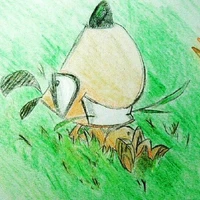
Diffusion models excel at generating high-quality images and are easy to extend, making them extremely popular among active users who have created an extensive collection of diffusion models with various styles by fine-tuning base models such as Stable Diffusion. Recent work has focused on uncovering semantic and visual information encoded in various components of a diffusion model, enabling better generation quality and more fine-grained control. However, those methods target improving a single model and overlook the vastly available collection of fine-tuned diffusion models. In this work, we study the combinations of diffusion models. We propose Diffusion Cocktail (Ditail), a training-free method that can accurately transfer content information between two diffusion models. This allows us to perform diverse generations using a set of diffusion models, resulting in novel images that are unlikely to be obtained by a single model alone. We also explore utilizing Ditail for style transfer, with the target style set by a diffusion model instead of an image. Ditail offers a more detailed manipulation of the diffusion generation, thereby enabling the vast community to integrate various styles and contents seamlessly and generate any content of any style.
On Distillation of Guided Diffusion Models
Classifier-free guided diffusion models have recently been shown to be highly effective at high-resolution image generation, and they have been widely used in large-scale diffusion frameworks including DALLE-2, Stable Diffusion and Imagen. However, a downside of classifier-free guided diffusion models is that they are computationally expensive at inference time since they require evaluating two diffusion models, a class-conditional model and an unconditional model, tens to hundreds of times. To deal with this limitation, we propose an approach to distilling classifier-free guided diffusion models into models that are fast to sample from: Given a pre-trained classifier-free guided model, we first learn a single model to match the output of the combined conditional and unconditional models, and then we progressively distill that model to a diffusion model that requires much fewer sampling steps. For standard diffusion models trained on the pixel-space, our approach is able to generate images visually comparable to that of the original model using as few as 4 sampling steps on ImageNet 64x64 and CIFAR-10, achieving FID/IS scores comparable to that of the original model while being up to 256 times faster to sample from. For diffusion models trained on the latent-space (e.g., Stable Diffusion), our approach is able to generate high-fidelity images using as few as 1 to 4 denoising steps, accelerating inference by at least 10-fold compared to existing methods on ImageNet 256x256 and LAION datasets. We further demonstrate the effectiveness of our approach on text-guided image editing and inpainting, where our distilled model is able to generate high-quality results using as few as 2-4 denoising steps.

DragDiffusion: Harnessing Diffusion Models for Interactive Point-based Image Editing
Precise and controllable image editing is a challenging task that has attracted significant attention. Recently, DragGAN enables an interactive point-based image editing framework and achieves impressive editing results with pixel-level precision. However, since this method is based on generative adversarial networks (GAN), its generality is upper-bounded by the capacity of the pre-trained GAN models. In this work, we extend such an editing framework to diffusion models and propose DragDiffusion. By leveraging large-scale pretrained diffusion models, we greatly improve the applicability of interactive point-based editing in real world scenarios. While most existing diffusion-based image editing methods work on text embeddings, DragDiffusion optimizes the diffusion latent to achieve precise spatial control. Although diffusion models generate images in an iterative manner, we empirically show that optimizing diffusion latent at one single step suffices to generate coherent results, enabling DragDiffusion to complete high-quality editing efficiently. Extensive experiments across a wide range of challenging cases (e.g., multi-objects, diverse object categories, various styles, etc.) demonstrate the versatility and generality of DragDiffusion.


FAM Diffusion: Frequency and Attention Modulation for High-Resolution Image Generation with Stable Diffusion
Diffusion models are proficient at generating high-quality images. They are however effective only when operating at the resolution used during training. Inference at a scaled resolution leads to repetitive patterns and structural distortions. Retraining at higher resolutions quickly becomes prohibitive. Thus, methods enabling pre-existing diffusion models to operate at flexible test-time resolutions are highly desirable. Previous works suffer from frequent artifacts and often introduce large latency overheads. We propose two simple modules that combine to solve these issues. We introduce a Frequency Modulation (FM) module that leverages the Fourier domain to improve the global structure consistency, and an Attention Modulation (AM) module which improves the consistency of local texture patterns, a problem largely ignored in prior works. Our method, coined Fam diffusion, can seamlessly integrate into any latent diffusion model and requires no additional training. Extensive qualitative results highlight the effectiveness of our method in addressing structural and local artifacts, while quantitative results show state-of-the-art performance. Also, our method avoids redundant inference tricks for improved consistency such as patch-based or progressive generation, leading to negligible latency overheads.




Scribble-Guided Diffusion for Training-free Text-to-Image Generation
Recent advancements in text-to-image diffusion models have demonstrated remarkable success, yet they often struggle to fully capture the user's intent. Existing approaches using textual inputs combined with bounding boxes or region masks fall short in providing precise spatial guidance, often leading to misaligned or unintended object orientation. To address these limitations, we propose Scribble-Guided Diffusion (ScribbleDiff), a training-free approach that utilizes simple user-provided scribbles as visual prompts to guide image generation. However, incorporating scribbles into diffusion models presents challenges due to their sparse and thin nature, making it difficult to ensure accurate orientation alignment. To overcome these challenges, we introduce moment alignment and scribble propagation, which allow for more effective and flexible alignment between generated images and scribble inputs. Experimental results on the PASCAL-Scribble dataset demonstrate significant improvements in spatial control and consistency, showcasing the effectiveness of scribble-based guidance in diffusion models. Our code is available at https://github.com/kaist-cvml-lab/scribble-diffusion.

Draw Like an Artist: Complex Scene Generation with Diffusion Model via Composition, Painting, and Retouching
Recent advances in text-to-image diffusion models have demonstrated impressive capabilities in image quality. However, complex scene generation remains relatively unexplored, and even the definition of `complex scene' itself remains unclear. In this paper, we address this gap by providing a precise definition of complex scenes and introducing a set of Complex Decomposition Criteria (CDC) based on this definition. Inspired by the artists painting process, we propose a training-free diffusion framework called Complex Diffusion (CxD), which divides the process into three stages: composition, painting, and retouching. Our method leverages the powerful chain-of-thought capabilities of large language models (LLMs) to decompose complex prompts based on CDC and to manage composition and layout. We then develop an attention modulation method that guides simple prompts to specific regions to complete the complex scene painting. Finally, we inject the detailed output of the LLM into a retouching model to enhance the image details, thus implementing the retouching stage. Extensive experiments demonstrate that our method outperforms previous SOTA approaches, significantly improving the generation of high-quality, semantically consistent, and visually diverse images for complex scenes, even with intricate prompts.
DiLightNet: Fine-grained Lighting Control for Diffusion-based Image Generation
This paper presents a novel method for exerting fine-grained lighting control during text-driven diffusion-based image generation. While existing diffusion models already have the ability to generate images under any lighting condition, without additional guidance these models tend to correlate image content and lighting. Moreover, text prompts lack the necessary expressional power to describe detailed lighting setups. To provide the content creator with fine-grained control over the lighting during image generation, we augment the text-prompt with detailed lighting information in the form of radiance hints, i.e., visualizations of the scene geometry with a homogeneous canonical material under the target lighting. However, the scene geometry needed to produce the radiance hints is unknown. Our key observation is that we only need to guide the diffusion process, hence exact radiance hints are not necessary; we only need to point the diffusion model in the right direction. Based on this observation, we introduce a three stage method for controlling the lighting during image generation. In the first stage, we leverage a standard pretrained diffusion model to generate a provisional image under uncontrolled lighting. Next, in the second stage, we resynthesize and refine the foreground object in the generated image by passing the target lighting to a refined diffusion model, named DiLightNet, using radiance hints computed on a coarse shape of the foreground object inferred from the provisional image. To retain the texture details, we multiply the radiance hints with a neural encoding of the provisional synthesized image before passing it to DiLightNet. Finally, in the third stage, we resynthesize the background to be consistent with the lighting on the foreground object. We demonstrate and validate our lighting controlled diffusion model on a variety of text prompts and lighting conditions.
DiffusionAct: Controllable Diffusion Autoencoder for One-shot Face Reenactment
Video-driven neural face reenactment aims to synthesize realistic facial images that successfully preserve the identity and appearance of a source face, while transferring the target head pose and facial expressions. Existing GAN-based methods suffer from either distortions and visual artifacts or poor reconstruction quality, i.e., the background and several important appearance details, such as hair style/color, glasses and accessories, are not faithfully reconstructed. Recent advances in Diffusion Probabilistic Models (DPMs) enable the generation of high-quality realistic images. To this end, in this paper we present DiffusionAct, a novel method that leverages the photo-realistic image generation of diffusion models to perform neural face reenactment. Specifically, we propose to control the semantic space of a Diffusion Autoencoder (DiffAE), in order to edit the facial pose of the input images, defined as the head pose orientation and the facial expressions. Our method allows one-shot, self, and cross-subject reenactment, without requiring subject-specific fine-tuning. We compare against state-of-the-art GAN-, StyleGAN2-, and diffusion-based methods, showing better or on-par reenactment performance.
DiffEdit: Diffusion-based semantic image editing with mask guidance
Image generation has recently seen tremendous advances, with diffusion models allowing to synthesize convincing images for a large variety of text prompts. In this article, we propose DiffEdit, a method to take advantage of text-conditioned diffusion models for the task of semantic image editing, where the goal is to edit an image based on a text query. Semantic image editing is an extension of image generation, with the additional constraint that the generated image should be as similar as possible to a given input image. Current editing methods based on diffusion models usually require to provide a mask, making the task much easier by treating it as a conditional inpainting task. In contrast, our main contribution is able to automatically generate a mask highlighting regions of the input image that need to be edited, by contrasting predictions of a diffusion model conditioned on different text prompts. Moreover, we rely on latent inference to preserve content in those regions of interest and show excellent synergies with mask-based diffusion. DiffEdit achieves state-of-the-art editing performance on ImageNet. In addition, we evaluate semantic image editing in more challenging settings, using images from the COCO dataset as well as text-based generated images.
LASPA: Latent Spatial Alignment for Fast Training-free Single Image Editing
We present a novel, training-free approach for textual editing of real images using diffusion models. Unlike prior methods that rely on computationally expensive finetuning, our approach leverages LAtent SPatial Alignment (LASPA) to efficiently preserve image details. We demonstrate how the diffusion process is amenable to spatial guidance using a reference image, leading to semantically coherent edits. This eliminates the need for complex optimization and costly model finetuning, resulting in significantly faster editing compared to previous methods. Additionally, our method avoids the storage requirements associated with large finetuned models. These advantages make our approach particularly well-suited for editing on mobile devices and applications demanding rapid response times. While simple and fast, our method achieves 62-71\% preference in a user-study and significantly better model-based editing strength and image preservation scores.
SwiftBrush v2: Make Your One-step Diffusion Model Better Than Its Teacher
In this paper, we aim to enhance the performance of SwiftBrush, a prominent one-step text-to-image diffusion model, to be competitive with its multi-step Stable Diffusion counterpart. Initially, we explore the quality-diversity trade-off between SwiftBrush and SD Turbo: the former excels in image diversity, while the latter excels in image quality. This observation motivates our proposed modifications in the training methodology, including better weight initialization and efficient LoRA training. Moreover, our introduction of a novel clamped CLIP loss enhances image-text alignment and results in improved image quality. Remarkably, by combining the weights of models trained with efficient LoRA and full training, we achieve a new state-of-the-art one-step diffusion model, achieving an FID of 8.14 and surpassing all GAN-based and multi-step Stable Diffusion models. The evaluation code is available at: https://github.com/vinairesearch/swiftbrushv2.


Conditional Diffusion Distillation
Generative diffusion models provide strong priors for text-to-image generation and thereby serve as a foundation for conditional generation tasks such as image editing, restoration, and super-resolution. However, one major limitation of diffusion models is their slow sampling time. To address this challenge, we present a novel conditional distillation method designed to supplement the diffusion priors with the help of image conditions, allowing for conditional sampling with very few steps. We directly distill the unconditional pre-training in a single stage through joint-learning, largely simplifying the previous two-stage procedures that involve both distillation and conditional finetuning separately. Furthermore, our method enables a new parameter-efficient distillation mechanism that distills each task with only a small number of additional parameters combined with the shared frozen unconditional backbone. Experiments across multiple tasks including super-resolution, image editing, and depth-to-image generation demonstrate that our method outperforms existing distillation techniques for the same sampling time. Notably, our method is the first distillation strategy that can match the performance of the much slower fine-tuned conditional diffusion models.


CLIPAway: Harmonizing Focused Embeddings for Removing Objects via Diffusion Models
Advanced image editing techniques, particularly inpainting, are essential for seamlessly removing unwanted elements while preserving visual integrity. Traditional GAN-based methods have achieved notable success, but recent advancements in diffusion models have produced superior results due to their training on large-scale datasets, enabling the generation of remarkably realistic inpainted images. Despite their strengths, diffusion models often struggle with object removal tasks without explicit guidance, leading to unintended hallucinations of the removed object. To address this issue, we introduce CLIPAway, a novel approach leveraging CLIP embeddings to focus on background regions while excluding foreground elements. CLIPAway enhances inpainting accuracy and quality by identifying embeddings that prioritize the background, thus achieving seamless object removal. Unlike other methods that rely on specialized training datasets or costly manual annotations, CLIPAway provides a flexible, plug-and-play solution compatible with various diffusion-based inpainting techniques.
Solving Diffusion ODEs with Optimal Boundary Conditions for Better Image Super-Resolution
Diffusion models, as a kind of powerful generative model, have given impressive results on image super-resolution (SR) tasks. However, due to the randomness introduced in the reverse process of diffusion models, the performances of diffusion-based SR models are fluctuating at every time of sampling, especially for samplers with few resampled steps. This inherent randomness of diffusion models results in ineffectiveness and instability, making it challenging for users to guarantee the quality of SR results. However, our work takes this randomness as an opportunity: fully analyzing and leveraging it leads to the construction of an effective plug-and-play sampling method that owns the potential to benefit a series of diffusion-based SR methods. More in detail, we propose to steadily sample high-quality SR images from pre-trained diffusion-based SR models by solving diffusion ordinary differential equations (diffusion ODEs) with optimal boundary conditions (BCs) and analyze the characteristics between the choices of BCs and their corresponding SR results. Our analysis shows the route to obtain an approximately optimal BC via an efficient exploration in the whole space. The quality of SR results sampled by the proposed method with fewer steps outperforms the quality of results sampled by current methods with randomness from the same pre-trained diffusion-based SR model, which means that our sampling method "boosts" current diffusion-based SR models without any additional training.
Portrait Diffusion: Training-free Face Stylization with Chain-of-Painting
Face stylization refers to the transformation of a face into a specific portrait style. However, current methods require the use of example-based adaptation approaches to fine-tune pre-trained generative models so that they demand lots of time and storage space and fail to achieve detailed style transformation. This paper proposes a training-free face stylization framework, named Portrait Diffusion. This framework leverages off-the-shelf text-to-image diffusion models, eliminating the need for fine-tuning specific examples. Specifically, the content and style images are first inverted into latent codes. Then, during image reconstruction using the corresponding latent code, the content and style features in the attention space are delicately blended through a modified self-attention operation called Style Attention Control. Additionally, a Chain-of-Painting method is proposed for the gradual redrawing of unsatisfactory areas from rough adjustments to fine-tuning. Extensive experiments validate the effectiveness of our Portrait Diffusion method and demonstrate the superiority of Chain-of-Painting in achieving precise face stylization. Code will be released at https://github.com/liujin112/PortraitDiffusion.
Improving Sample Quality of Diffusion Models Using Self-Attention Guidance
Denoising diffusion models (DDMs) have attracted attention for their exceptional generation quality and diversity. This success is largely attributed to the use of class- or text-conditional diffusion guidance methods, such as classifier and classifier-free guidance. In this paper, we present a more comprehensive perspective that goes beyond the traditional guidance methods. From this generalized perspective, we introduce novel condition- and training-free strategies to enhance the quality of generated images. As a simple solution, blur guidance improves the suitability of intermediate samples for their fine-scale information and structures, enabling diffusion models to generate higher quality samples with a moderate guidance scale. Improving upon this, Self-Attention Guidance (SAG) uses the intermediate self-attention maps of diffusion models to enhance their stability and efficacy. Specifically, SAG adversarially blurs only the regions that diffusion models attend to at each iteration and guides them accordingly. Our experimental results show that our SAG improves the performance of various diffusion models, including ADM, IDDPM, Stable Diffusion, and DiT. Moreover, combining SAG with conventional guidance methods leads to further improvement.


DiffuseHigh: Training-free Progressive High-Resolution Image Synthesis through Structure Guidance
Recent surge in large-scale generative models has spurred the development of vast fields in computer vision. In particular, text-to-image diffusion models have garnered widespread adoption across diverse domain due to their potential for high-fidelity image generation. Nonetheless, existing large-scale diffusion models are confined to generate images of up to 1K resolution, which is far from meeting the demands of contemporary commercial applications. Directly sampling higher-resolution images often yields results marred by artifacts such as object repetition and distorted shapes. Addressing the aforementioned issues typically necessitates training or fine-tuning models on higher resolution datasets. However, this undertaking poses a formidable challenge due to the difficulty in collecting large-scale high-resolution contents and substantial computational resources. While several preceding works have proposed alternatives, they often fail to produce convincing results. In this work, we probe the generative ability of diffusion models at higher resolution beyond its original capability and propose a novel progressive approach that fully utilizes generated low-resolution image to guide the generation of higher resolution image. Our method obviates the need for additional training or fine-tuning which significantly lowers the burden of computational costs. Extensive experiments and results validate the efficiency and efficacy of our method. Project page: https://yhyun225.github.io/DiffuseHigh/

Diffusion Explainer: Visual Explanation for Text-to-image Stable Diffusion
Diffusion-based generative models' impressive ability to create convincing images has captured global attention. However, their complex internal structures and operations often make them difficult for non-experts to understand. We present Diffusion Explainer, the first interactive visualization tool that explains how Stable Diffusion transforms text prompts into images. Diffusion Explainer tightly integrates a visual overview of Stable Diffusion's complex components with detailed explanations of their underlying operations, enabling users to fluidly transition between multiple levels of abstraction through animations and interactive elements. By comparing the evolutions of image representations guided by two related text prompts over refinement timesteps, users can discover the impact of prompts on image generation. Diffusion Explainer runs locally in users' web browsers without the need for installation or specialized hardware, broadening the public's education access to modern AI techniques. Our open-sourced tool is available at: https://poloclub.github.io/diffusion-explainer/.



DiffBIR: Towards Blind Image Restoration with Generative Diffusion Prior
We present DiffBIR, which leverages pretrained text-to-image diffusion models for blind image restoration problem. Our framework adopts a two-stage pipeline. In the first stage, we pretrain a restoration module across diversified degradations to improve generalization capability in real-world scenarios. The second stage leverages the generative ability of latent diffusion models, to achieve realistic image restoration. Specifically, we introduce an injective modulation sub-network -- LAControlNet for finetuning, while the pre-trained Stable Diffusion is to maintain its generative ability. Finally, we introduce a controllable module that allows users to balance quality and fidelity by introducing the latent image guidance in the denoising process during inference. Extensive experiments have demonstrated its superiority over state-of-the-art approaches for both blind image super-resolution and blind face restoration tasks on synthetic and real-world datasets. The code is available at https://github.com/XPixelGroup/DiffBIR.

ImageBrush: Learning Visual In-Context Instructions for Exemplar-Based Image Manipulation
While language-guided image manipulation has made remarkable progress, the challenge of how to instruct the manipulation process faithfully reflecting human intentions persists. An accurate and comprehensive description of a manipulation task using natural language is laborious and sometimes even impossible, primarily due to the inherent uncertainty and ambiguity present in linguistic expressions. Is it feasible to accomplish image manipulation without resorting to external cross-modal language information? If this possibility exists, the inherent modality gap would be effortlessly eliminated. In this paper, we propose a novel manipulation methodology, dubbed ImageBrush, that learns visual instructions for more accurate image editing. Our key idea is to employ a pair of transformation images as visual instructions, which not only precisely captures human intention but also facilitates accessibility in real-world scenarios. Capturing visual instructions is particularly challenging because it involves extracting the underlying intentions solely from visual demonstrations and then applying this operation to a new image. To address this challenge, we formulate visual instruction learning as a diffusion-based inpainting problem, where the contextual information is fully exploited through an iterative process of generation. A visual prompting encoder is carefully devised to enhance the model's capacity in uncovering human intent behind the visual instructions. Extensive experiments show that our method generates engaging manipulation results conforming to the transformations entailed in demonstrations. Moreover, our model exhibits robust generalization capabilities on various downstream tasks such as pose transfer, image translation and video inpainting.


SINE: SINgle Image Editing with Text-to-Image Diffusion Models
Recent works on diffusion models have demonstrated a strong capability for conditioning image generation, e.g., text-guided image synthesis. Such success inspires many efforts trying to use large-scale pre-trained diffusion models for tackling a challenging problem--real image editing. Works conducted in this area learn a unique textual token corresponding to several images containing the same object. However, under many circumstances, only one image is available, such as the painting of the Girl with a Pearl Earring. Using existing works on fine-tuning the pre-trained diffusion models with a single image causes severe overfitting issues. The information leakage from the pre-trained diffusion models makes editing can not keep the same content as the given image while creating new features depicted by the language guidance. This work aims to address the problem of single-image editing. We propose a novel model-based guidance built upon the classifier-free guidance so that the knowledge from the model trained on a single image can be distilled into the pre-trained diffusion model, enabling content creation even with one given image. Additionally, we propose a patch-based fine-tuning that can effectively help the model generate images of arbitrary resolution. We provide extensive experiments to validate the design choices of our approach and show promising editing capabilities, including changing style, content addition, and object manipulation. The code is available for research purposes at https://github.com/zhang-zx/SINE.git .



Multi-Scale Diffusion: Enhancing Spatial Layout in High-Resolution Panoramic Image Generation
Diffusion models have recently gained recognition for generating diverse and high-quality content, especially in the domain of image synthesis. These models excel not only in creating fixed-size images but also in producing panoramic images. However, existing methods often struggle with spatial layout consistency when producing high-resolution panoramas, due to the lack of guidance of the global image layout. In this paper, we introduce the Multi-Scale Diffusion (MSD) framework, a plug-and-play module that extends the existing panoramic image generation framework to multiple resolution levels. By utilizing gradient descent techniques, our method effectively incorporates structural information from low-resolution images into high-resolution outputs. A comprehensive evaluation of the proposed method was conducted, comparing it with the prior works in qualitative and quantitative dimensions. The evaluation results demonstrate that our method significantly outperforms others in generating coherent high-resolution panoramas.
NoiseCLR: A Contrastive Learning Approach for Unsupervised Discovery of Interpretable Directions in Diffusion Models
Generative models have been very popular in the recent years for their image generation capabilities. GAN-based models are highly regarded for their disentangled latent space, which is a key feature contributing to their success in controlled image editing. On the other hand, diffusion models have emerged as powerful tools for generating high-quality images. However, the latent space of diffusion models is not as thoroughly explored or understood. Existing methods that aim to explore the latent space of diffusion models usually relies on text prompts to pinpoint specific semantics. However, this approach may be restrictive in areas such as art, fashion, or specialized fields like medicine, where suitable text prompts might not be available or easy to conceive thus limiting the scope of existing work. In this paper, we propose an unsupervised method to discover latent semantics in text-to-image diffusion models without relying on text prompts. Our method takes a small set of unlabeled images from specific domains, such as faces or cats, and a pre-trained diffusion model, and discovers diverse semantics in unsupervised fashion using a contrastive learning objective. Moreover, the learned directions can be applied simultaneously, either within the same domain (such as various types of facial edits) or across different domains (such as applying cat and face edits within the same image) without interfering with each other. Our extensive experiments show that our method achieves highly disentangled edits, outperforming existing approaches in both diffusion-based and GAN-based latent space editing methods.


DiffuMural: Restoring Dunhuang Murals with Multi-scale Diffusion
Large-scale pre-trained diffusion models have produced excellent results in the field of conditional image generation. However, restoration of ancient murals, as an important downstream task in this field, poses significant challenges to diffusion model-based restoration methods due to its large defective area and scarce training samples. Conditional restoration tasks are more concerned with whether the restored part meets the aesthetic standards of mural restoration in terms of overall style and seam detail, and such metrics for evaluating heuristic image complements are lacking in current research. We therefore propose DiffuMural, a combined Multi-scale convergence and Collaborative Diffusion mechanism with ControlNet and cyclic consistency loss to optimise the matching between the generated images and the conditional control. DiffuMural demonstrates outstanding capabilities in mural restoration, leveraging training data from 23 large-scale Dunhuang murals that exhibit consistent visual aesthetics. The model excels in restoring intricate details, achieving a coherent overall appearance, and addressing the unique challenges posed by incomplete murals lacking factual grounding. Our evaluation framework incorporates four key metrics to quantitatively assess incomplete murals: factual accuracy, textural detail, contextual semantics, and holistic visual coherence. Furthermore, we integrate humanistic value assessments to ensure the restored murals retain their cultural and artistic significance. Extensive experiments validate that our method outperforms state-of-the-art (SOTA) approaches in both qualitative and quantitative metrics.

simple diffusion: End-to-end diffusion for high resolution images
Currently, applying diffusion models in pixel space of high resolution images is difficult. Instead, existing approaches focus on diffusion in lower dimensional spaces (latent diffusion), or have multiple super-resolution levels of generation referred to as cascades. The downside is that these approaches add additional complexity to the diffusion framework. This paper aims to improve denoising diffusion for high resolution images while keeping the model as simple as possible. The paper is centered around the research question: How can one train a standard denoising diffusion models on high resolution images, and still obtain performance comparable to these alternate approaches? The four main findings are: 1) the noise schedule should be adjusted for high resolution images, 2) It is sufficient to scale only a particular part of the architecture, 3) dropout should be added at specific locations in the architecture, and 4) downsampling is an effective strategy to avoid high resolution feature maps. Combining these simple yet effective techniques, we achieve state-of-the-art on image generation among diffusion models without sampling modifiers on ImageNet.

High-Resolution Image Synthesis with Latent Diffusion Models
By decomposing the image formation process into a sequential application of denoising autoencoders, diffusion models (DMs) achieve state-of-the-art synthesis results on image data and beyond. Additionally, their formulation allows for a guiding mechanism to control the image generation process without retraining. However, since these models typically operate directly in pixel space, optimization of powerful DMs often consumes hundreds of GPU days and inference is expensive due to sequential evaluations. To enable DM training on limited computational resources while retaining their quality and flexibility, we apply them in the latent space of powerful pretrained autoencoders. In contrast to previous work, training diffusion models on such a representation allows for the first time to reach a near-optimal point between complexity reduction and detail preservation, greatly boosting visual fidelity. By introducing cross-attention layers into the model architecture, we turn diffusion models into powerful and flexible generators for general conditioning inputs such as text or bounding boxes and high-resolution synthesis becomes possible in a convolutional manner. Our latent diffusion models (LDMs) achieve a new state of the art for image inpainting and highly competitive performance on various tasks, including unconditional image generation, semantic scene synthesis, and super-resolution, while significantly reducing computational requirements compared to pixel-based DMs. Code is available at https://github.com/CompVis/latent-diffusion .
Lazy Diffusion Transformer for Interactive Image Editing
We introduce a novel diffusion transformer, LazyDiffusion, that generates partial image updates efficiently. Our approach targets interactive image editing applications in which, starting from a blank canvas or an image, a user specifies a sequence of localized image modifications using binary masks and text prompts. Our generator operates in two phases. First, a context encoder processes the current canvas and user mask to produce a compact global context tailored to the region to generate. Second, conditioned on this context, a diffusion-based transformer decoder synthesizes the masked pixels in a "lazy" fashion, i.e., it only generates the masked region. This contrasts with previous works that either regenerate the full canvas, wasting time and computation, or confine processing to a tight rectangular crop around the mask, ignoring the global image context altogether. Our decoder's runtime scales with the mask size, which is typically small, while our encoder introduces negligible overhead. We demonstrate that our approach is competitive with state-of-the-art inpainting methods in terms of quality and fidelity while providing a 10x speedup for typical user interactions, where the editing mask represents 10% of the image.
DifIISR: A Diffusion Model with Gradient Guidance for Infrared Image Super-Resolution
Infrared imaging is essential for autonomous driving and robotic operations as a supportive modality due to its reliable performance in challenging environments. Despite its popularity, the limitations of infrared cameras, such as low spatial resolution and complex degradations, consistently challenge imaging quality and subsequent visual tasks. Hence, infrared image super-resolution (IISR) has been developed to address this challenge. While recent developments in diffusion models have greatly advanced this field, current methods to solve it either ignore the unique modal characteristics of infrared imaging or overlook the machine perception requirements. To bridge these gaps, we propose DifIISR, an infrared image super-resolution diffusion model optimized for visual quality and perceptual performance. Our approach achieves task-based guidance for diffusion by injecting gradients derived from visual and perceptual priors into the noise during the reverse process. Specifically, we introduce an infrared thermal spectrum distribution regulation to preserve visual fidelity, ensuring that the reconstructed infrared images closely align with high-resolution images by matching their frequency components. Subsequently, we incorporate various visual foundational models as the perceptual guidance for downstream visual tasks, infusing generalizable perceptual features beneficial for detection and segmentation. As a result, our approach gains superior visual results while attaining State-Of-The-Art downstream task performance. Code is available at https://github.com/zirui0625/DifIISR

Motion Guidance: Diffusion-Based Image Editing with Differentiable Motion Estimators
Diffusion models are capable of generating impressive images conditioned on text descriptions, and extensions of these models allow users to edit images at a relatively coarse scale. However, the ability to precisely edit the layout, position, pose, and shape of objects in images with diffusion models is still difficult. To this end, we propose motion guidance, a zero-shot technique that allows a user to specify dense, complex motion fields that indicate where each pixel in an image should move. Motion guidance works by steering the diffusion sampling process with the gradients through an off-the-shelf optical flow network. Specifically, we design a guidance loss that encourages the sample to have the desired motion, as estimated by a flow network, while also being visually similar to the source image. By simultaneously sampling from a diffusion model and guiding the sample to have low guidance loss, we can obtain a motion-edited image. We demonstrate that our technique works on complex motions and produces high quality edits of real and generated images.
Prompt-Propose-Verify: A Reliable Hand-Object-Interaction Data Generation Framework using Foundational Models
Diffusion models when conditioned on text prompts, generate realistic-looking images with intricate details. But most of these pre-trained models fail to generate accurate images when it comes to human features like hands, teeth, etc. We hypothesize that this inability of diffusion models can be overcome through well-annotated good-quality data. In this paper, we look specifically into improving the hand-object-interaction image generation using diffusion models. We collect a well annotated hand-object interaction synthetic dataset curated using Prompt-Propose-Verify framework and finetune a stable diffusion model on it. We evaluate the image-text dataset on qualitative and quantitative metrics like CLIPScore, ImageReward, Fedility, and alignment and show considerably better performance over the current state-of-the-art benchmarks.
TIP: Text-Driven Image Processing with Semantic and Restoration Instructions
Text-driven diffusion models have become increasingly popular for various image editing tasks, including inpainting, stylization, and object replacement. However, it still remains an open research problem to adopt this language-vision paradigm for more fine-level image processing tasks, such as denoising, super-resolution, deblurring, and compression artifact removal. In this paper, we develop TIP, a Text-driven Image Processing framework that leverages natural language as a user-friendly interface to control the image restoration process. We consider the capacity of text information in two dimensions. First, we use content-related prompts to enhance the semantic alignment, effectively alleviating identity ambiguity in the restoration outcomes. Second, our approach is the first framework that supports fine-level instruction through language-based quantitative specification of the restoration strength, without the need for explicit task-specific design. In addition, we introduce a novel fusion mechanism that augments the existing ControlNet architecture by learning to rescale the generative prior, thereby achieving better restoration fidelity. Our extensive experiments demonstrate the superior restoration performance of TIP compared to the state of the arts, alongside offering the flexibility of text-based control over the restoration effects.


Label-Efficient Semantic Segmentation with Diffusion Models
Denoising diffusion probabilistic models have recently received much research attention since they outperform alternative approaches, such as GANs, and currently provide state-of-the-art generative performance. The superior performance of diffusion models has made them an appealing tool in several applications, including inpainting, super-resolution, and semantic editing. In this paper, we demonstrate that diffusion models can also serve as an instrument for semantic segmentation, especially in the setup when labeled data is scarce. In particular, for several pretrained diffusion models, we investigate the intermediate activations from the networks that perform the Markov step of the reverse diffusion process. We show that these activations effectively capture the semantic information from an input image and appear to be excellent pixel-level representations for the segmentation problem. Based on these observations, we describe a simple segmentation method, which can work even if only a few training images are provided. Our approach significantly outperforms the existing alternatives on several datasets for the same amount of human supervision.
Towards Reliable Identification of Diffusion-based Image Manipulations
Changing facial expressions, gestures, or background details may dramatically alter the meaning conveyed by an image. Notably, recent advances in diffusion models greatly improve the quality of image manipulation while also opening the door to misuse. Identifying changes made to authentic images, thus, becomes an important task, constantly challenged by new diffusion-based editing tools. To this end, we propose a novel approach for ReliAble iDentification of inpainted AReas (RADAR). RADAR builds on existing foundation models and combines features from different image modalities. It also incorporates an auxiliary contrastive loss that helps to isolate manipulated image patches. We demonstrate these techniques to significantly improve both the accuracy of our method and its generalisation to a large number of diffusion models. To support realistic evaluation, we further introduce BBC-PAIR, a new comprehensive benchmark, with images tampered by 28 diffusion models. Our experiments show that RADAR achieves excellent results, outperforming the state-of-the-art in detecting and localising image edits made by both seen and unseen diffusion models. Our code, data and models will be publicly available at https://alex-costanzino.github.io/radar/.

Diffusion-4K: Ultra-High-Resolution Image Synthesis with Latent Diffusion Models
In this paper, we present Diffusion-4K, a novel framework for direct ultra-high-resolution image synthesis using text-to-image diffusion models. The core advancements include: (1) Aesthetic-4K Benchmark: addressing the absence of a publicly available 4K image synthesis dataset, we construct Aesthetic-4K, a comprehensive benchmark for ultra-high-resolution image generation. We curated a high-quality 4K dataset with carefully selected images and captions generated by GPT-4o. Additionally, we introduce GLCM Score and Compression Ratio metrics to evaluate fine details, combined with holistic measures such as FID, Aesthetics and CLIPScore for a comprehensive assessment of ultra-high-resolution images. (2) Wavelet-based Fine-tuning: we propose a wavelet-based fine-tuning approach for direct training with photorealistic 4K images, applicable to various latent diffusion models, demonstrating its effectiveness in synthesizing highly detailed 4K images. Consequently, Diffusion-4K achieves impressive performance in high-quality image synthesis and text prompt adherence, especially when powered by modern large-scale diffusion models (e.g., SD3-2B and Flux-12B). Extensive experimental results from our benchmark demonstrate the superiority of Diffusion-4K in ultra-high-resolution image synthesis.



Robotic Compliant Object Prying Using Diffusion Policy Guided by Vision and Force Observations
The growing adoption of batteries in the electric vehicle industry and various consumer products has created an urgent need for effective recycling solutions. These products often contain a mix of compliant and rigid components, making robotic disassembly a critical step toward achieving scalable recycling processes. Diffusion policy has emerged as a promising approach for learning low-level skills in robotics. To effectively apply diffusion policy to contact-rich tasks, incorporating force as feedback is essential. In this paper, we apply diffusion policy with vision and force in a compliant object prying task. However, when combining low-dimensional contact force with high-dimensional image, the force information may be diluted. To address this issue, we propose a method that effectively integrates force with image data for diffusion policy observations. We validate our approach on a battery prying task that demands high precision and multi-step execution. Our model achieves a 96\% success rate in diverse scenarios, marking a 57\% improvement over the vision-only baseline. Our method also demonstrates zero-shot transfer capability to handle unseen objects and battery types. Supplementary videos and implementation codes are available on our project website. https://rros-lab.github.io/diffusion-with-force.github.io/
Zoomed In, Diffused Out: Towards Local Degradation-Aware Multi-Diffusion for Extreme Image Super-Resolution
Large-scale, pre-trained Text-to-Image (T2I) diffusion models have gained significant popularity in image generation tasks and have shown unexpected potential in image Super-Resolution (SR). However, most existing T2I diffusion models are trained with a resolution limit of 512x512, making scaling beyond this resolution an unresolved but necessary challenge for image SR. In this work, we introduce a novel approach that, for the first time, enables these models to generate 2K, 4K, and even 8K images without any additional training. Our method leverages MultiDiffusion, which distributes the generation across multiple diffusion paths to ensure global coherence at larger scales, and local degradation-aware prompt extraction, which guides the T2I model to reconstruct fine local structures according to its low-resolution input. These innovations unlock higher resolutions, allowing T2I diffusion models to be applied to image SR tasks without limitation on resolution.

Flash Diffusion: Accelerating Any Conditional Diffusion Model for Few Steps Image Generation
In this paper, we propose an efficient, fast, and versatile distillation method to accelerate the generation of pre-trained diffusion models: Flash Diffusion. The method reaches state-of-the-art performances in terms of FID and CLIP-Score for few steps image generation on the COCO2014 and COCO2017 datasets, while requiring only several GPU hours of training and fewer trainable parameters than existing methods. In addition to its efficiency, the versatility of the method is also exposed across several tasks such as text-to-image, inpainting, face-swapping, super-resolution and using different backbones such as UNet-based denoisers (SD1.5, SDXL) or DiT (Pixart-alpha), as well as adapters. In all cases, the method allowed to reduce drastically the number of sampling steps while maintaining very high-quality image generation. The official implementation is available at https://github.com/gojasper/flash-diffusion.



Diffusion Models Need Visual Priors for Image Generation
Conventional class-guided diffusion models generally succeed in generating images with correct semantic content, but often struggle with texture details. This limitation stems from the usage of class priors, which only provide coarse and limited conditional information. To address this issue, we propose Diffusion on Diffusion (DoD), an innovative multi-stage generation framework that first extracts visual priors from previously generated samples, then provides rich guidance for the diffusion model leveraging visual priors from the early stages of diffusion sampling. Specifically, we introduce a latent embedding module that employs a compression-reconstruction approach to discard redundant detail information from the conditional samples in each stage, retaining only the semantic information for guidance. We evaluate DoD on the popular ImageNet-256 times 256 dataset, reducing 7times training cost compared to SiT and DiT with even better performance in terms of the FID-50K score. Our largest model DoD-XL achieves an FID-50K score of 1.83 with only 1 million training steps, which surpasses other state-of-the-art methods without bells and whistles during inference.


LUSD: Localized Update Score Distillation for Text-Guided Image Editing
While diffusion models show promising results in image editing given a target prompt, achieving both prompt fidelity and background preservation remains difficult. Recent works have introduced score distillation techniques that leverage the rich generative prior of text-to-image diffusion models to solve this task without additional fine-tuning. However, these methods often struggle with tasks such as object insertion. Our investigation of these failures reveals significant variations in gradient magnitude and spatial distribution, making hyperparameter tuning highly input-specific or unsuccessful. To address this, we propose two simple yet effective modifications: attention-based spatial regularization and gradient filtering-normalization, both aimed at reducing these variations during gradient updates. Experimental results show our method outperforms state-of-the-art score distillation techniques in prompt fidelity, improving successful edits while preserving the background. Users also preferred our method over state-of-the-art techniques across three metrics, and by 58-64% overall.
A Tale of Two Features: Stable Diffusion Complements DINO for Zero-Shot Semantic Correspondence
Text-to-image diffusion models have made significant advances in generating and editing high-quality images. As a result, numerous approaches have explored the ability of diffusion model features to understand and process single images for downstream tasks, e.g., classification, semantic segmentation, and stylization. However, significantly less is known about what these features reveal across multiple, different images and objects. In this work, we exploit Stable Diffusion (SD) features for semantic and dense correspondence and discover that with simple post-processing, SD features can perform quantitatively similar to SOTA representations. Interestingly, the qualitative analysis reveals that SD features have very different properties compared to existing representation learning features, such as the recently released DINOv2: while DINOv2 provides sparse but accurate matches, SD features provide high-quality spatial information but sometimes inaccurate semantic matches. We demonstrate that a simple fusion of these two features works surprisingly well, and a zero-shot evaluation using nearest neighbors on these fused features provides a significant performance gain over state-of-the-art methods on benchmark datasets, e.g., SPair-71k, PF-Pascal, and TSS. We also show that these correspondences can enable interesting applications such as instance swapping in two images.

FlexPainter: Flexible and Multi-View Consistent Texture Generation
Texture map production is an important part of 3D modeling and determines the rendering quality. Recently, diffusion-based methods have opened a new way for texture generation. However, restricted control flexibility and limited prompt modalities may prevent creators from producing desired results. Furthermore, inconsistencies between generated multi-view images often lead to poor texture generation quality. To address these issues, we introduce FlexPainter, a novel texture generation pipeline that enables flexible multi-modal conditional guidance and achieves highly consistent texture generation. A shared conditional embedding space is constructed to perform flexible aggregation between different input modalities. Utilizing such embedding space, we present an image-based CFG method to decompose structural and style information, achieving reference image-based stylization. Leveraging the 3D knowledge within the image diffusion prior, we first generate multi-view images simultaneously using a grid representation to enhance global understanding. Meanwhile, we propose a view synchronization and adaptive weighting module during diffusion sampling to further ensure local consistency. Finally, a 3D-aware texture completion model combined with a texture enhancement model is used to generate seamless, high-resolution texture maps. Comprehensive experiments demonstrate that our framework significantly outperforms state-of-the-art methods in both flexibility and generation quality.



Boundary Guided Learning-Free Semantic Control with Diffusion Models
Applying pre-trained generative denoising diffusion models (DDMs) for downstream tasks such as image semantic editing usually requires either fine-tuning DDMs or learning auxiliary editing networks in the existing literature. In this work, we present our BoundaryDiffusion method for efficient, effective and light-weight semantic control with frozen pre-trained DDMs, without learning any extra networks. As one of the first learning-free diffusion editing works, we start by seeking a comprehensive understanding of the intermediate high-dimensional latent spaces by theoretically and empirically analyzing their probabilistic and geometric behaviors in the Markov chain. We then propose to further explore the critical step for editing in the denoising trajectory that characterizes the convergence of a pre-trained DDM and introduce an automatic search method. Last but not least, in contrast to the conventional understanding that DDMs have relatively poor semantic behaviors, we prove that the critical latent space we found already exhibits semantic subspace boundaries at the generic level in unconditional DDMs, which allows us to do controllable manipulation by guiding the denoising trajectory towards the targeted boundary via a single-step operation. We conduct extensive experiments on multiple DPMs architectures (DDPM, iDDPM) and datasets (CelebA, CelebA-HQ, LSUN-church, LSUN-bedroom, AFHQ-dog) with different resolutions (64, 256), achieving superior or state-of-the-art performance in various task scenarios (image semantic editing, text-based editing, unconditional semantic control) to demonstrate the effectiveness.


Collaborative Diffusion for Multi-Modal Face Generation and Editing
Diffusion models arise as a powerful generative tool recently. Despite the great progress, existing diffusion models mainly focus on uni-modal control, i.e., the diffusion process is driven by only one modality of condition. To further unleash the users' creativity, it is desirable for the model to be controllable by multiple modalities simultaneously, e.g., generating and editing faces by describing the age (text-driven) while drawing the face shape (mask-driven). In this work, we present Collaborative Diffusion, where pre-trained uni-modal diffusion models collaborate to achieve multi-modal face generation and editing without re-training. Our key insight is that diffusion models driven by different modalities are inherently complementary regarding the latent denoising steps, where bilateral connections can be established upon. Specifically, we propose dynamic diffuser, a meta-network that adaptively hallucinates multi-modal denoising steps by predicting the spatial-temporal influence functions for each pre-trained uni-modal model. Collaborative Diffusion not only collaborates generation capabilities from uni-modal diffusion models, but also integrates multiple uni-modal manipulations to perform multi-modal editing. Extensive qualitative and quantitative experiments demonstrate the superiority of our framework in both image quality and condition consistency.

Adapting Diffusion Models for Improved Prompt Compliance and Controllable Image Synthesis
Recent advances in generative modeling with diffusion processes (DPs) enabled breakthroughs in image synthesis. Despite impressive image quality, these models have various prompt compliance problems, including low recall in generating multiple objects, difficulty in generating text in images, and meeting constraints like object locations and pose. For fine-grained editing and manipulation, they also require fine-grained semantic or instance maps that are tedious to produce manually. While prompt compliance can be enhanced by addition of loss functions at inference, this is time consuming and does not scale to complex scenes. To overcome these limitations, this work introduces a new family of Factor Graph Diffusion Models (FG-DMs) that models the joint distribution of images and conditioning variables, such as semantic, sketch, depth or normal maps via a factor graph decomposition. This joint structure has several advantages, including support for efficient sampling based prompt compliance schemes, which produce images of high object recall, semi-automated fine-grained editing, text-based editing of conditions with noise inversion, explainability at intermediate levels, ability to produce labeled datasets for the training of downstream models such as segmentation or depth, training with missing data, and continual learning where new conditioning variables can be added with minimal or no modifications to the existing structure. We propose an implementation of FG-DMs by adapting a pre-trained Stable Diffusion (SD) model to implement all FG-DM factors, using only COCO dataset, and show that it is effective in generating images with 15\% higher recall than SD while retaining its generalization ability. We introduce an attention distillation loss that encourages consistency among the attention maps of all factors, improving the fidelity of the generated conditions and image.

SPICE: A Synergistic, Precise, Iterative, and Customizable Image Editing Workflow
Recent prompt-based image editing models have demonstrated impressive prompt-following capability at structural editing tasks. However, existing models still fail to perform local edits, follow detailed editing prompts, or maintain global image quality beyond a single editing step. To address these challenges, we introduce SPICE, a training-free workflow that accepts arbitrary resolutions and aspect ratios, accurately follows user requirements, and improves image quality consistently during more than 100 editing steps. By synergizing the strengths of a base diffusion model and a Canny edge ControlNet model, SPICE robustly handles free-form editing instructions from the user. SPICE outperforms state-of-the-art baselines on a challenging realistic image-editing dataset consisting of semantic editing (object addition, removal, replacement, and background change), stylistic editing (texture changes), and structural editing (action change) tasks. Not only does SPICE achieve the highest quantitative performance according to standard evaluation metrics, but it is also consistently preferred by users over existing image-editing methods. We release the workflow implementation for popular diffusion model Web UIs to support further research and artistic exploration.

Improved Diffusion-based Image Colorization via Piggybacked Models
Image colorization has been attracting the research interests of the community for decades. However, existing methods still struggle to provide satisfactory colorized results given grayscale images due to a lack of human-like global understanding of colors. Recently, large-scale Text-to-Image (T2I) models have been exploited to transfer the semantic information from the text prompts to the image domain, where text provides a global control for semantic objects in the image. In this work, we introduce a colorization model piggybacking on the existing powerful T2I diffusion model. Our key idea is to exploit the color prior knowledge in the pre-trained T2I diffusion model for realistic and diverse colorization. A diffusion guider is designed to incorporate the pre-trained weights of the latent diffusion model to output a latent color prior that conforms to the visual semantics of the grayscale input. A lightness-aware VQVAE will then generate the colorized result with pixel-perfect alignment to the given grayscale image. Our model can also achieve conditional colorization with additional inputs (e.g. user hints and texts). Extensive experiments show that our method achieves state-of-the-art performance in terms of perceptual quality.


Scaling Diffusion Mamba with Bidirectional SSMs for Efficient Image and Video Generation
In recent developments, the Mamba architecture, known for its selective state space approach, has shown potential in the efficient modeling of long sequences. However, its application in image generation remains underexplored. Traditional diffusion transformers (DiT), which utilize self-attention blocks, are effective but their computational complexity scales quadratically with the input length, limiting their use for high-resolution images. To address this challenge, we introduce a novel diffusion architecture, Diffusion Mamba (DiM), which foregoes traditional attention mechanisms in favor of a scalable alternative. By harnessing the inherent efficiency of the Mamba architecture, DiM achieves rapid inference times and reduced computational load, maintaining linear complexity with respect to sequence length. Our architecture not only scales effectively but also outperforms existing diffusion transformers in both image and video generation tasks. The results affirm the scalability and efficiency of DiM, establishing a new benchmark for image and video generation techniques. This work advances the field of generative models and paves the way for further applications of scalable architectures.
DiffusionEdge: Diffusion Probabilistic Model for Crisp Edge Detection
Limited by the encoder-decoder architecture, learning-based edge detectors usually have difficulty predicting edge maps that satisfy both correctness and crispness. With the recent success of the diffusion probabilistic model (DPM), we found it is especially suitable for accurate and crisp edge detection since the denoising process is directly applied to the original image size. Therefore, we propose the first diffusion model for the task of general edge detection, which we call DiffusionEdge. To avoid expensive computational resources while retaining the final performance, we apply DPM in the latent space and enable the classic cross-entropy loss which is uncertainty-aware in pixel level to directly optimize the parameters in latent space in a distillation manner. We also adopt a decoupled architecture to speed up the denoising process and propose a corresponding adaptive Fourier filter to adjust the latent features of specific frequencies. With all the technical designs, DiffusionEdge can be stably trained with limited resources, predicting crisp and accurate edge maps with much fewer augmentation strategies. Extensive experiments on four edge detection benchmarks demonstrate the superiority of DiffusionEdge both in correctness and crispness. On the NYUDv2 dataset, compared to the second best, we increase the ODS, OIS (without post-processing) and AC by 30.2%, 28.1% and 65.1%, respectively. Code: https://github.com/GuHuangAI/DiffusionEdge.
Localized Gaussian Splatting Editing with Contextual Awareness
Recent text-guided generation of individual 3D object has achieved great success using diffusion priors. However, these methods are not suitable for object insertion and replacement tasks as they do not consider the background, leading to illumination mismatches within the environment. To bridge the gap, we introduce an illumination-aware 3D scene editing pipeline for 3D Gaussian Splatting (3DGS) representation. Our key observation is that inpainting by the state-of-the-art conditional 2D diffusion model is consistent with background in lighting. To leverage the prior knowledge from the well-trained diffusion models for 3D object generation, our approach employs a coarse-to-fine objection optimization pipeline with inpainted views. In the first coarse step, we achieve image-to-3D lifting given an ideal inpainted view. The process employs 3D-aware diffusion prior from a view-conditioned diffusion model, which preserves illumination present in the conditioning image. To acquire an ideal inpainted image, we introduce an Anchor View Proposal (AVP) algorithm to find a single view that best represents the scene illumination in target region. In the second Texture Enhancement step, we introduce a novel Depth-guided Inpainting Score Distillation Sampling (DI-SDS), which enhances geometry and texture details with the inpainting diffusion prior, beyond the scope of the 3D-aware diffusion prior knowledge in the first coarse step. DI-SDS not only provides fine-grained texture enhancement, but also urges optimization to respect scene lighting. Our approach efficiently achieves local editing with global illumination consistency without explicitly modeling light transport. We demonstrate robustness of our method by evaluating editing in real scenes containing explicit highlight and shadows, and compare against the state-of-the-art text-to-3D editing methods.
CasSR: Activating Image Power for Real-World Image Super-Resolution
The objective of image super-resolution is to generate clean and high-resolution images from degraded versions. Recent advancements in diffusion modeling have led to the emergence of various image super-resolution techniques that leverage pretrained text-to-image (T2I) models. Nevertheless, due to the prevalent severe degradation in low-resolution images and the inherent characteristics of diffusion models, achieving high-fidelity image restoration remains challenging. Existing methods often exhibit issues including semantic loss, artifacts, and the introduction of spurious content not present in the original image. To tackle this challenge, we propose Cascaded diffusion for Super-Resolution, CasSR , a novel method designed to produce highly detailed and realistic images. In particular, we develop a cascaded controllable diffusion model that aims to optimize the extraction of information from low-resolution images. This model generates a preliminary reference image to facilitate initial information extraction and degradation mitigation. Furthermore, we propose a multi-attention mechanism to enhance the T2I model's capability in maximizing the restoration of the original image content. Through a comprehensive blend of qualitative and quantitative analyses, we substantiate the efficacy and superiority of our approach.
Diffusion in Diffusion: Cyclic One-Way Diffusion for Text-Vision-Conditioned Generation
Originating from the diffusion phenomenon in physics that describes particle movement, the diffusion generative models inherit the characteristics of stochastic random walk in the data space along the denoising trajectory. However, the intrinsic mutual interference among image regions contradicts the need for practical downstream application scenarios where the preservation of low-level pixel information from given conditioning is desired (e.g., customization tasks like personalized generation and inpainting based on a user-provided single image). In this work, we investigate the diffusion (physics) in diffusion (machine learning) properties and propose our Cyclic One-Way Diffusion (COW) method to control the direction of diffusion phenomenon given a pre-trained frozen diffusion model for versatile customization application scenarios, where the low-level pixel information from the conditioning needs to be preserved. Notably, unlike most current methods that incorporate additional conditions by fine-tuning the base text-to-image diffusion model or learning auxiliary networks, our method provides a novel perspective to understand the task needs and is applicable to a wider range of customization scenarios in a learning-free manner. Extensive experiment results show that our proposed COW can achieve more flexible customization based on strict visual conditions in different application settings. Project page: https://wangruoyu02.github.io/cow.github.io/.
Dual Prompting Image Restoration with Diffusion Transformers
Recent state-of-the-art image restoration methods mostly adopt latent diffusion models with U-Net backbones, yet still facing challenges in achieving high-quality restoration due to their limited capabilities. Diffusion transformers (DiTs), like SD3, are emerging as a promising alternative because of their better quality with scalability. In this paper, we introduce DPIR (Dual Prompting Image Restoration), a novel image restoration method that effectivly extracts conditional information of low-quality images from multiple perspectives. Specifically, DPIR consits of two branches: a low-quality image conditioning branch and a dual prompting control branch. The first branch utilizes a lightweight module to incorporate image priors into the DiT with high efficiency. More importantly, we believe that in image restoration, textual description alone cannot fully capture its rich visual characteristics. Therefore, a dual prompting module is designed to provide DiT with additional visual cues, capturing both global context and local appearance. The extracted global-local visual prompts as extra conditional control, alongside textual prompts to form dual prompts, greatly enhance the quality of the restoration. Extensive experimental results demonstrate that DPIR delivers superior image restoration performance.
Directed Diffusion: Direct Control of Object Placement through Attention Guidance
Text-guided diffusion models such as DALLE-2, IMAGEN, and Stable Diffusion are able to generate an effectively endless variety of images given only a short text prompt describing the desired image content. In many cases the images are very high quality as well. However, these models often struggle to compose scenes containing several key objects such as characters in specified positional relationships. Unfortunately, this capability to ``direct'' the placement of characters and objects both within and across images is crucial in storytelling, as recognized in the literature on film and animation theory. In this work we take a particularly straightforward approach to providing the needed direction, by injecting ``activation'' at desired positions in the cross-attention maps corresponding to the objects under control, while attenuating the remainder of the map. The resulting approach is a step toward generalizing the applicability of text-guided diffusion models beyond single images to collections of related images, as in storybooks. To the best of our knowledge, our Directed Diffusion method is the first diffusion technique that provides positional control over multiple objects, while making use of an existing pre-trained model and maintaining a coherent blend between the positioned objects and the background. Moreover, it requires only a few lines to implement.
DiffusionGuard: A Robust Defense Against Malicious Diffusion-based Image Editing
Recent advances in diffusion models have introduced a new era of text-guided image manipulation, enabling users to create realistic edited images with simple textual prompts. However, there is significant concern about the potential misuse of these methods, especially in creating misleading or harmful content. Although recent defense strategies, which introduce imperceptible adversarial noise to induce model failure, have shown promise, they remain ineffective against more sophisticated manipulations, such as editing with a mask. In this work, we propose DiffusionGuard, a robust and effective defense method against unauthorized edits by diffusion-based image editing models, even in challenging setups. Through a detailed analysis of these models, we introduce a novel objective that generates adversarial noise targeting the early stage of the diffusion process. This approach significantly improves the efficiency and effectiveness of adversarial noises. We also introduce a mask-augmentation technique to enhance robustness against various masks during test time. Finally, we introduce a comprehensive benchmark designed to evaluate the effectiveness and robustness of methods in protecting against privacy threats in realistic scenarios. Through extensive experiments, we show that our method achieves stronger protection and improved mask robustness with lower computational costs compared to the strongest baseline. Additionally, our method exhibits superior transferability and better resilience to noise removal techniques compared to all baseline methods. Our source code is publicly available at https://github.com/choi403/DiffusionGuard.


Improving Diffusion-Based Image Synthesis with Context Prediction
Diffusion models are a new class of generative models, and have dramatically promoted image generation with unprecedented quality and diversity. Existing diffusion models mainly try to reconstruct input image from a corrupted one with a pixel-wise or feature-wise constraint along spatial axes. However, such point-based reconstruction may fail to make each predicted pixel/feature fully preserve its neighborhood context, impairing diffusion-based image synthesis. As a powerful source of automatic supervisory signal, context has been well studied for learning representations. Inspired by this, we for the first time propose ConPreDiff to improve diffusion-based image synthesis with context prediction. We explicitly reinforce each point to predict its neighborhood context (i.e., multi-stride features/tokens/pixels) with a context decoder at the end of diffusion denoising blocks in training stage, and remove the decoder for inference. In this way, each point can better reconstruct itself by preserving its semantic connections with neighborhood context. This new paradigm of ConPreDiff can generalize to arbitrary discrete and continuous diffusion backbones without introducing extra parameters in sampling procedure. Extensive experiments are conducted on unconditional image generation, text-to-image generation and image inpainting tasks. Our ConPreDiff consistently outperforms previous methods and achieves a new SOTA text-to-image generation results on MS-COCO, with a zero-shot FID score of 6.21.
StreamMultiDiffusion: Real-Time Interactive Generation with Region-Based Semantic Control
The enormous success of diffusion models in text-to-image synthesis has made them promising candidates for the next generation of end-user applications for image generation and editing. Previous works have focused on improving the usability of diffusion models by reducing the inference time or increasing user interactivity by allowing new, fine-grained controls such as region-based text prompts. However, we empirically find that integrating both branches of works is nontrivial, limiting the potential of diffusion models. To solve this incompatibility, we present StreamMultiDiffusion, the first real-time region-based text-to-image generation framework. By stabilizing fast inference techniques and restructuring the model into a newly proposed multi-prompt stream batch architecture, we achieve times 10 faster panorama generation than existing solutions, and the generation speed of 1.57 FPS in region-based text-to-image synthesis on a single RTX 2080 Ti GPU. Our solution opens up a new paradigm for interactive image generation named semantic palette, where high-quality images are generated in real-time from given multiple hand-drawn regions, encoding prescribed semantic meanings (e.g., eagle, girl). Our code and demo application are available at https://github.com/ironjr/StreamMultiDiffusion.


Controllable Light Diffusion for Portraits
We introduce light diffusion, a novel method to improve lighting in portraits, softening harsh shadows and specular highlights while preserving overall scene illumination. Inspired by professional photographers' diffusers and scrims, our method softens lighting given only a single portrait photo. Previous portrait relighting approaches focus on changing the entire lighting environment, removing shadows (ignoring strong specular highlights), or removing shading entirely. In contrast, we propose a learning based method that allows us to control the amount of light diffusion and apply it on in-the-wild portraits. Additionally, we design a method to synthetically generate plausible external shadows with sub-surface scattering effects while conforming to the shape of the subject's face. Finally, we show how our approach can increase the robustness of higher level vision applications, such as albedo estimation, geometry estimation and semantic segmentation.
DiM: Diffusion Mamba for Efficient High-Resolution Image Synthesis
Diffusion models have achieved great success in image generation, with the backbone evolving from U-Net to Vision Transformers. However, the computational cost of Transformers is quadratic to the number of tokens, leading to significant challenges when dealing with high-resolution images. In this work, we propose Diffusion Mamba (DiM), which combines the efficiency of Mamba, a sequence model based on State Space Models (SSM), with the expressive power of diffusion models for efficient high-resolution image synthesis. To address the challenge that Mamba cannot generalize to 2D signals, we make several architecture designs including multi-directional scans, learnable padding tokens at the end of each row and column, and lightweight local feature enhancement. Our DiM architecture achieves inference-time efficiency for high-resolution images. In addition, to further improve training efficiency for high-resolution image generation with DiM, we investigate ``weak-to-strong'' training strategy that pretrains DiM on low-resolution images (256times 256) and then finetune it on high-resolution images (512 times 512). We further explore training-free upsampling strategies to enable the model to generate higher-resolution images (e.g., 1024times 1024 and 1536times 1536) without further fine-tuning. Experiments demonstrate the effectiveness and efficiency of our DiM.


Diffusion Models in Low-Level Vision: A Survey
Deep generative models have garnered significant attention in low-level vision tasks due to their generative capabilities. Among them, diffusion model-based solutions, characterized by a forward diffusion process and a reverse denoising process, have emerged as widely acclaimed for their ability to produce samples of superior quality and diversity. This ensures the generation of visually compelling results with intricate texture information. Despite their remarkable success, a noticeable gap exists in a comprehensive survey that amalgamates these pioneering diffusion model-based works and organizes the corresponding threads. This paper proposes the comprehensive review of diffusion model-based techniques. We present three generic diffusion modeling frameworks and explore their correlations with other deep generative models, establishing the theoretical foundation. Following this, we introduce a multi-perspective categorization of diffusion models, considering both the underlying framework and the target task. Additionally, we summarize extended diffusion models applied in other tasks, including medical, remote sensing, and video scenarios. Moreover, we provide an overview of commonly used benchmarks and evaluation metrics. We conduct a thorough evaluation, encompassing both performance and efficiency, of diffusion model-based techniques in three prominent tasks. Finally, we elucidate the limitations of current diffusion models and propose seven intriguing directions for future research. This comprehensive examination aims to facilitate a profound understanding of the landscape surrounding denoising diffusion models in the context of low-level vision tasks. A curated list of diffusion model-based techniques in over 20 low-level vision tasks can be found at https://github.com/ChunmingHe/awesome-diffusion-models-in-low-level-vision.
DiffusionAtlas: High-Fidelity Consistent Diffusion Video Editing
We present a diffusion-based video editing framework, namely DiffusionAtlas, which can achieve both frame consistency and high fidelity in editing video object appearance. Despite the success in image editing, diffusion models still encounter significant hindrances when it comes to video editing due to the challenge of maintaining spatiotemporal consistency in the object's appearance across frames. On the other hand, atlas-based techniques allow propagating edits on the layered representations consistently back to frames. However, they often struggle to create editing effects that adhere correctly to the user-provided textual or visual conditions due to the limitation of editing the texture atlas on a fixed UV mapping field. Our method leverages a visual-textual diffusion model to edit objects directly on the diffusion atlases, ensuring coherent object identity across frames. We design a loss term with atlas-based constraints and build a pretrained text-driven diffusion model as pixel-wise guidance for refining shape distortions and correcting texture deviations. Qualitative and quantitative experiments show that our method outperforms state-of-the-art methods in achieving consistent high-fidelity video-object editing.
Eta Inversion: Designing an Optimal Eta Function for Diffusion-based Real Image Editing
Diffusion models have achieved remarkable success in the domain of text-guided image generation and, more recently, in text-guided image editing. A commonly adopted strategy for editing real images involves inverting the diffusion process to obtain a noisy representation of the original image, which is then denoised to achieve the desired edits. However, current methods for diffusion inversion often struggle to produce edits that are both faithful to the specified text prompt and closely resemble the source image. To overcome these limitations, we introduce a novel and adaptable diffusion inversion technique for real image editing, which is grounded in a theoretical analysis of the role of eta in the DDIM sampling equation for enhanced editability. By designing a universal diffusion inversion method with a time- and region-dependent eta function, we enable flexible control over the editing extent. Through a comprehensive series of quantitative and qualitative assessments, involving a comparison with a broad array of recent methods, we demonstrate the superiority of our approach. Our method not only sets a new benchmark in the field but also significantly outperforms existing strategies.

One Step Diffusion-based Super-Resolution with Time-Aware Distillation
Diffusion-based image super-resolution (SR) methods have shown promise in reconstructing high-resolution images with fine details from low-resolution counterparts. However, these approaches typically require tens or even hundreds of iterative samplings, resulting in significant latency. Recently, techniques have been devised to enhance the sampling efficiency of diffusion-based SR models via knowledge distillation. Nonetheless, when aligning the knowledge of student and teacher models, these solutions either solely rely on pixel-level loss constraints or neglect the fact that diffusion models prioritize varying levels of information at different time steps. To accomplish effective and efficient image super-resolution, we propose a time-aware diffusion distillation method, named TAD-SR. Specifically, we introduce a novel score distillation strategy to align the data distribution between the outputs of the student and teacher models after minor noise perturbation. This distillation strategy enables the student network to concentrate more on the high-frequency details. Furthermore, to mitigate performance limitations stemming from distillation, we integrate a latent adversarial loss and devise a time-aware discriminator that leverages diffusion priors to effectively distinguish between real images and generated images. Extensive experiments conducted on synthetic and real-world datasets demonstrate that the proposed method achieves comparable or even superior performance compared to both previous state-of-the-art (SOTA) methods and the teacher model in just one sampling step. Codes are available at https://github.com/LearningHx/TAD-SR.
Steering Rectified Flow Models in the Vector Field for Controlled Image Generation
Diffusion models (DMs) excel in photorealism, image editing, and solving inverse problems, aided by classifier-free guidance and image inversion techniques. However, rectified flow models (RFMs) remain underexplored for these tasks. Existing DM-based methods often require additional training, lack generalization to pretrained latent models, underperform, and demand significant computational resources due to extensive backpropagation through ODE solvers and inversion processes. In this work, we first develop a theoretical and empirical understanding of the vector field dynamics of RFMs in efficiently guiding the denoising trajectory. Our findings reveal that we can navigate the vector field in a deterministic and gradient-free manner. Utilizing this property, we propose FlowChef, which leverages the vector field to steer the denoising trajectory for controlled image generation tasks, facilitated by gradient skipping. FlowChef is a unified framework for controlled image generation that, for the first time, simultaneously addresses classifier guidance, linear inverse problems, and image editing without the need for extra training, inversion, or intensive backpropagation. Finally, we perform extensive evaluations and show that FlowChef significantly outperforms baselines in terms of performance, memory, and time requirements, achieving new state-of-the-art results. Project Page: https://flowchef.github.io.


Prompt-tuning latent diffusion models for inverse problems
We propose a new method for solving imaging inverse problems using text-to-image latent diffusion models as general priors. Existing methods using latent diffusion models for inverse problems typically rely on simple null text prompts, which can lead to suboptimal performance. To address this limitation, we introduce a method for prompt tuning, which jointly optimizes the text embedding on-the-fly while running the reverse diffusion process. This allows us to generate images that are more faithful to the diffusion prior. In addition, we propose a method to keep the evolution of latent variables within the range space of the encoder, by projection. This helps to reduce image artifacts, a major problem when using latent diffusion models instead of pixel-based diffusion models. Our combined method, called P2L, outperforms both image- and latent-diffusion model-based inverse problem solvers on a variety of tasks, such as super-resolution, deblurring, and inpainting.
Efficient Diffusion Model for Image Restoration by Residual Shifting
While diffusion-based image restoration (IR) methods have achieved remarkable success, they are still limited by the low inference speed attributed to the necessity of executing hundreds or even thousands of sampling steps. Existing acceleration sampling techniques, though seeking to expedite the process, inevitably sacrifice performance to some extent, resulting in over-blurry restored outcomes. To address this issue, this study proposes a novel and efficient diffusion model for IR that significantly reduces the required number of diffusion steps. Our method avoids the need for post-acceleration during inference, thereby avoiding the associated performance deterioration. Specifically, our proposed method establishes a Markov chain that facilitates the transitions between the high-quality and low-quality images by shifting their residuals, substantially improving the transition efficiency. A carefully formulated noise schedule is devised to flexibly control the shifting speed and the noise strength during the diffusion process. Extensive experimental evaluations demonstrate that the proposed method achieves superior or comparable performance to current state-of-the-art methods on three classical IR tasks, namely image super-resolution, image inpainting, and blind face restoration, \textbf{even only with four sampling steps}. Our code and model are publicly available at https://github.com/zsyOAOA/ResShift.

An Item is Worth a Prompt: Versatile Image Editing with Disentangled Control
Building on the success of text-to-image diffusion models (DPMs), image editing is an important application to enable human interaction with AI-generated content. Among various editing methods, editing within the prompt space gains more attention due to its capacity and simplicity of controlling semantics. However, since diffusion models are commonly pretrained on descriptive text captions, direct editing of words in text prompts usually leads to completely different generated images, violating the requirements for image editing. On the other hand, existing editing methods usually consider introducing spatial masks to preserve the identity of unedited regions, which are usually ignored by DPMs and therefore lead to inharmonic editing results. Targeting these two challenges, in this work, we propose to disentangle the comprehensive image-prompt interaction into several item-prompt interactions, with each item linked to a special learned prompt. The resulting framework, named D-Edit, is based on pretrained diffusion models with cross-attention layers disentangled and adopts a two-step optimization to build item-prompt associations. Versatile image editing can then be applied to specific items by manipulating the corresponding prompts. We demonstrate state-of-the-art results in four types of editing operations including image-based, text-based, mask-based editing, and item removal, covering most types of editing applications, all within a single unified framework. Notably, D-Edit is the first framework that can (1) achieve item editing through mask editing and (2) combine image and text-based editing. We demonstrate the quality and versatility of the editing results for a diverse collection of images through both qualitative and quantitative evaluations.


Prediction with Action: Visual Policy Learning via Joint Denoising Process
Diffusion models have demonstrated remarkable capabilities in image generation tasks, including image editing and video creation, representing a good understanding of the physical world. On the other line, diffusion models have also shown promise in robotic control tasks by denoising actions, known as diffusion policy. Although the diffusion generative model and diffusion policy exhibit distinct capabilities--image prediction and robotic action, respectively--they technically follow a similar denoising process. In robotic tasks, the ability to predict future images and generate actions is highly correlated since they share the same underlying dynamics of the physical world. Building on this insight, we introduce PAD, a novel visual policy learning framework that unifies image Prediction and robot Action within a joint Denoising process. Specifically, PAD utilizes Diffusion Transformers (DiT) to seamlessly integrate images and robot states, enabling the simultaneous prediction of future images and robot actions. Additionally, PAD supports co-training on both robotic demonstrations and large-scale video datasets and can be easily extended to other robotic modalities, such as depth images. PAD outperforms previous methods, achieving a significant 26.3% relative improvement on the full Metaworld benchmark, by utilizing a single text-conditioned visual policy within a data-efficient imitation learning setting. Furthermore, PAD demonstrates superior generalization to unseen tasks in real-world robot manipulation settings with 28.0% success rate increase compared to the strongest baseline. Project page at https://sites.google.com/view/pad-paper
DiffDoctor: Diagnosing Image Diffusion Models Before Treating
In spite of recent progress, image diffusion models still produce artifacts. A common solution is to leverage the feedback provided by quality assessment systems or human annotators to optimize the model, where images are generally rated in their entirety. In this work, we believe problem-solving starts with identification, yielding the request that the model should be aware of not just the presence of defects in an image, but their specific locations. Motivated by this, we propose DiffDoctor, a two-stage pipeline to assist image diffusion models in generating fewer artifacts. Concretely, the first stage targets developing a robust artifact detector, for which we collect a dataset of over 1M flawed synthesized images and set up an efficient human-in-the-loop annotation process, incorporating a carefully designed class-balance strategy. The learned artifact detector is then involved in the second stage to optimize the diffusion model by providing pixel-level feedback. Extensive experiments on text-to-image diffusion models demonstrate the effectiveness of our artifact detector as well as the soundness of our diagnose-then-treat design.

SALAD: Part-Level Latent Diffusion for 3D Shape Generation and Manipulation
We present a cascaded diffusion model based on a part-level implicit 3D representation. Our model achieves state-of-the-art generation quality and also enables part-level shape editing and manipulation without any additional training in conditional setup. Diffusion models have demonstrated impressive capabilities in data generation as well as zero-shot completion and editing via a guided reverse process. Recent research on 3D diffusion models has focused on improving their generation capabilities with various data representations, while the absence of structural information has limited their capability in completion and editing tasks. We thus propose our novel diffusion model using a part-level implicit representation. To effectively learn diffusion with high-dimensional embedding vectors of parts, we propose a cascaded framework, learning diffusion first on a low-dimensional subspace encoding extrinsic parameters of parts and then on the other high-dimensional subspace encoding intrinsic attributes. In the experiments, we demonstrate the outperformance of our method compared with the previous ones both in generation and part-level completion and manipulation tasks.

Switch Diffusion Transformer: Synergizing Denoising Tasks with Sparse Mixture-of-Experts
Diffusion models have achieved remarkable success across a range of generative tasks. Recent efforts to enhance diffusion model architectures have reimagined them as a form of multi-task learning, where each task corresponds to a denoising task at a specific noise level. While these efforts have focused on parameter isolation and task routing, they fall short of capturing detailed inter-task relationships and risk losing semantic information, respectively. In response, we introduce Switch Diffusion Transformer (Switch-DiT), which establishes inter-task relationships between conflicting tasks without compromising semantic information. To achieve this, we employ a sparse mixture-of-experts within each transformer block to utilize semantic information and facilitate handling conflicts in tasks through parameter isolation. Additionally, we propose a diffusion prior loss, encouraging similar tasks to share their denoising paths while isolating conflicting ones. Through these, each transformer block contains a shared expert across all tasks, where the common and task-specific denoising paths enable the diffusion model to construct its beneficial way of synergizing denoising tasks. Extensive experiments validate the effectiveness of our approach in improving both image quality and convergence rate, and further analysis demonstrates that Switch-DiT constructs tailored denoising paths across various generation scenarios.


DialogPaint: A Dialog-based Image Editing Model
We present DialogPaint, an innovative framework that employs an interactive conversational approach for image editing. The framework comprises a pretrained dialogue model (Blenderbot) and a diffusion model (Stable Diffusion). The dialogue model engages in conversation with users to understand their requirements and generates concise instructions based on the dialogue. Subsequently, the Stable Diffusion model employs these instructions, along with the input image, to produce the desired output. Due to the difficulty of acquiring fine-tuning data for such models, we leverage multiple large-scale models to generate simulated dialogues and corresponding image pairs. After fine-tuning our framework with the synthesized data, we evaluate its performance in real application scenes. The results demonstrate that DialogPaint excels in both objective and subjective evaluation metrics effectively handling ambiguous instructions and performing tasks such as object replacement, style transfer, color modification. Moreover, our framework supports multi-round editing, allowing for the completion of complicated editing tasks.

In-Context Learning Unlocked for Diffusion Models
We present Prompt Diffusion, a framework for enabling in-context learning in diffusion-based generative models. Given a pair of task-specific example images, such as depth from/to image and scribble from/to image, and a text guidance, our model automatically understands the underlying task and performs the same task on a new query image following the text guidance. To achieve this, we propose a vision-language prompt that can model a wide range of vision-language tasks and a diffusion model that takes it as input. The diffusion model is trained jointly over six different tasks using these prompts. The resulting Prompt Diffusion model is the first diffusion-based vision-language foundation model capable of in-context learning. It demonstrates high-quality in-context generation on the trained tasks and generalizes effectively to new, unseen vision tasks with their respective prompts. Our model also shows compelling text-guided image editing results. Our framework, with code publicly available at https://github.com/Zhendong-Wang/Prompt-Diffusion, aims to facilitate research into in-context learning for computer vision.

PromptFix: You Prompt and We Fix the Photo
Diffusion models equipped with language models demonstrate excellent controllability in image generation tasks, allowing image processing to adhere to human instructions. However, the lack of diverse instruction-following data hampers the development of models that effectively recognize and execute user-customized instructions, particularly in low-level tasks. Moreover, the stochastic nature of the diffusion process leads to deficiencies in image generation or editing tasks that require the detailed preservation of the generated images. To address these limitations, we propose PromptFix, a comprehensive framework that enables diffusion models to follow human instructions to perform a wide variety of image-processing tasks. First, we construct a large-scale instruction-following dataset that covers comprehensive image-processing tasks, including low-level tasks, image editing, and object creation. Next, we propose a high-frequency guidance sampling method to explicitly control the denoising process and preserve high-frequency details in unprocessed areas. Finally, we design an auxiliary prompting adapter, utilizing Vision-Language Models (VLMs) to enhance text prompts and improve the model's task generalization. Experimental results show that PromptFix outperforms previous methods in various image-processing tasks. Our proposed model also achieves comparable inference efficiency with these baseline models and exhibits superior zero-shot capabilities in blind restoration and combination tasks. The dataset and code are available at https://www.yongshengyu.com/PromptFix-Page.


HiPA: Enabling One-Step Text-to-Image Diffusion Models via High-Frequency-Promoting Adaptation
Diffusion models have revolutionized text-to-image generation, but their real-world applications are hampered by the extensive time needed for hundreds of diffusion steps. Although progressive distillation has been proposed to speed up diffusion sampling to 2-8 steps, it still falls short in one-step generation, and necessitates training multiple student models, which is highly parameter-extensive and time-consuming. To overcome these limitations, we introduce High-frequency-Promoting Adaptation (HiPA), a parameter-efficient approach to enable one-step text-to-image diffusion. Grounded in the insight that high-frequency information is essential but highly lacking in one-step diffusion, HiPA focuses on training one-step, low-rank adaptors to specifically enhance the under-represented high-frequency abilities of advanced diffusion models. The learned adaptors empower these diffusion models to generate high-quality images in just a single step. Compared with progressive distillation, HiPA achieves much better performance in one-step text-to-image generation (37.3 rightarrow 23.8 in FID-5k on MS-COCO 2017) and 28.6x training speed-up (108.8 rightarrow 3.8 A100 GPU days), requiring only 0.04% training parameters (7,740 million rightarrow 3.3 million). We also demonstrate HiPA's effectiveness in text-guided image editing, inpainting and super-resolution tasks, where our adapted models consistently deliver high-quality outputs in just one diffusion step. The source code will be released.

FreSca: Unveiling the Scaling Space in Diffusion Models
Diffusion models offer impressive controllability for image tasks, primarily through noise predictions that encode task-specific information and classifier-free guidance enabling adjustable scaling. This scaling mechanism implicitly defines a ``scaling space'' whose potential for fine-grained semantic manipulation remains underexplored. We investigate this space, starting with inversion-based editing where the difference between conditional/unconditional noise predictions carries key semantic information. Our core contribution stems from a Fourier analysis of noise predictions, revealing that its low- and high-frequency components evolve differently throughout diffusion. Based on this insight, we introduce FreSca, a straightforward method that applies guidance scaling independently to different frequency bands in the Fourier domain. FreSca demonstrably enhances existing image editing methods without retraining. Excitingly, its effectiveness extends to image understanding tasks such as depth estimation, yielding quantitative gains across multiple datasets.


Diffusion Models Without Attention
In recent advancements in high-fidelity image generation, Denoising Diffusion Probabilistic Models (DDPMs) have emerged as a key player. However, their application at high resolutions presents significant computational challenges. Current methods, such as patchifying, expedite processes in UNet and Transformer architectures but at the expense of representational capacity. Addressing this, we introduce the Diffusion State Space Model (DiffuSSM), an architecture that supplants attention mechanisms with a more scalable state space model backbone. This approach effectively handles higher resolutions without resorting to global compression, thus preserving detailed image representation throughout the diffusion process. Our focus on FLOP-efficient architectures in diffusion training marks a significant step forward. Comprehensive evaluations on both ImageNet and LSUN datasets at two resolutions demonstrate that DiffuSSMs are on par or even outperform existing diffusion models with attention modules in FID and Inception Score metrics while significantly reducing total FLOP usage.

HeadRouter: A Training-free Image Editing Framework for MM-DiTs by Adaptively Routing Attention Heads
Diffusion Transformers (DiTs) have exhibited robust capabilities in image generation tasks. However, accurate text-guided image editing for multimodal DiTs (MM-DiTs) still poses a significant challenge. Unlike UNet-based structures that could utilize self/cross-attention maps for semantic editing, MM-DiTs inherently lack support for explicit and consistent incorporated text guidance, resulting in semantic misalignment between the edited results and texts. In this study, we disclose the sensitivity of different attention heads to different image semantics within MM-DiTs and introduce HeadRouter, a training-free image editing framework that edits the source image by adaptively routing the text guidance to different attention heads in MM-DiTs. Furthermore, we present a dual-token refinement module to refine text/image token representations for precise semantic guidance and accurate region expression. Experimental results on multiple benchmarks demonstrate HeadRouter's performance in terms of editing fidelity and image quality.
SAM-DiffSR: Structure-Modulated Diffusion Model for Image Super-Resolution
Diffusion-based super-resolution (SR) models have recently garnered significant attention due to their potent restoration capabilities. But conventional diffusion models perform noise sampling from a single distribution, constraining their ability to handle real-world scenes and complex textures across semantic regions. With the success of segment anything model (SAM), generating sufficiently fine-grained region masks can enhance the detail recovery of diffusion-based SR model. However, directly integrating SAM into SR models will result in much higher computational cost. In this paper, we propose the SAM-DiffSR model, which can utilize the fine-grained structure information from SAM in the process of sampling noise to improve the image quality without additional computational cost during inference. In the process of training, we encode structural position information into the segmentation mask from SAM. Then the encoded mask is integrated into the forward diffusion process by modulating it to the sampled noise. This adjustment allows us to independently adapt the noise mean within each corresponding segmentation area. The diffusion model is trained to estimate this modulated noise. Crucially, our proposed framework does NOT change the reverse diffusion process and does NOT require SAM at inference. Experimental results demonstrate the effectiveness of our proposed method, showcasing superior performance in suppressing artifacts, and surpassing existing diffusion-based methods by 0.74 dB at the maximum in terms of PSNR on DIV2K dataset. The code and dataset are available at https://github.com/lose4578/SAM-DiffSR.

InstaRevive: One-Step Image Enhancement via Dynamic Score Matching
Image enhancement finds wide-ranging applications in real-world scenarios due to complex environments and the inherent limitations of imaging devices. Recent diffusion-based methods yield promising outcomes but necessitate prolonged and computationally intensive iterative sampling. In response, we propose InstaRevive, a straightforward yet powerful image enhancement framework that employs score-based diffusion distillation to harness potent generative capability and minimize the sampling steps. To fully exploit the potential of the pre-trained diffusion model, we devise a practical and effective diffusion distillation pipeline using dynamic control to address inaccuracies in updating direction during score matching. Our control strategy enables a dynamic diffusing scope, facilitating precise learning of denoising trajectories within the diffusion model and ensuring accurate distribution matching gradients during training. Additionally, to enrich guidance for the generative power, we incorporate textual prompts via image captioning as auxiliary conditions, fostering further exploration of the diffusion model. Extensive experiments substantiate the efficacy of our framework across a diverse array of challenging tasks and datasets, unveiling the compelling efficacy and efficiency of InstaRevive in delivering high-quality and visually appealing results. Code is available at https://github.com/EternalEvan/InstaRevive.

Move Anything with Layered Scene Diffusion
Diffusion models generate images with an unprecedented level of quality, but how can we freely rearrange image layouts? Recent works generate controllable scenes via learning spatially disentangled latent codes, but these methods do not apply to diffusion models due to their fixed forward process. In this work, we propose SceneDiffusion to optimize a layered scene representation during the diffusion sampling process. Our key insight is that spatial disentanglement can be obtained by jointly denoising scene renderings at different spatial layouts. Our generated scenes support a wide range of spatial editing operations, including moving, resizing, cloning, and layer-wise appearance editing operations, including object restyling and replacing. Moreover, a scene can be generated conditioned on a reference image, thus enabling object moving for in-the-wild images. Notably, this approach is training-free, compatible with general text-to-image diffusion models, and responsive in less than a second.
Universal Guidance for Diffusion Models
Typical diffusion models are trained to accept a particular form of conditioning, most commonly text, and cannot be conditioned on other modalities without retraining. In this work, we propose a universal guidance algorithm that enables diffusion models to be controlled by arbitrary guidance modalities without the need to retrain any use-specific components. We show that our algorithm successfully generates quality images with guidance functions including segmentation, face recognition, object detection, and classifier signals. Code is available at https://github.com/arpitbansal297/Universal-Guided-Diffusion.



Underlying Semantic Diffusion for Effective and Efficient In-Context Learning
Diffusion models has emerged as a powerful framework for tasks like image controllable generation and dense prediction. However, existing models often struggle to capture underlying semantics (e.g., edges, textures, shapes) and effectively utilize in-context learning, limiting their contextual understanding and image generation quality. Additionally, high computational costs and slow inference speeds hinder their real-time applicability. To address these challenges, we propose Underlying Semantic Diffusion (US-Diffusion), an enhanced diffusion model that boosts underlying semantics learning, computational efficiency, and in-context learning capabilities on multi-task scenarios. We introduce Separate & Gather Adapter (SGA), which decouples input conditions for different tasks while sharing the architecture, enabling better in-context learning and generalization across diverse visual domains. We also present a Feedback-Aided Learning (FAL) framework, which leverages feedback signals to guide the model in capturing semantic details and dynamically adapting to task-specific contextual cues. Furthermore, we propose a plug-and-play Efficient Sampling Strategy (ESS) for dense sampling at time steps with high-noise levels, which aims at optimizing training and inference efficiency while maintaining strong in-context learning performance. Experimental results demonstrate that US-Diffusion outperforms the state-of-the-art method, achieving an average reduction of 7.47 in FID on Map2Image tasks and an average reduction of 0.026 in RMSE on Image2Map tasks, while achieving approximately 9.45 times faster inference speed. Our method also demonstrates superior training efficiency and in-context learning capabilities, excelling in new datasets and tasks, highlighting its robustness and adaptability across diverse visual domains.
Ctrl-X: Controlling Structure and Appearance for Text-To-Image Generation Without Guidance
Recent controllable generation approaches such as FreeControl and Diffusion Self-guidance bring fine-grained spatial and appearance control to text-to-image (T2I) diffusion models without training auxiliary modules. However, these methods optimize the latent embedding for each type of score function with longer diffusion steps, making the generation process time-consuming and limiting their flexibility and use. This work presents Ctrl-X, a simple framework for T2I diffusion controlling structure and appearance without additional training or guidance. Ctrl-X designs feed-forward structure control to enable the structure alignment with a structure image and semantic-aware appearance transfer to facilitate the appearance transfer from a user-input image. Extensive qualitative and quantitative experiments illustrate the superior performance of Ctrl-X on various condition inputs and model checkpoints. In particular, Ctrl-X supports novel structure and appearance control with arbitrary condition images of any modality, exhibits superior image quality and appearance transfer compared to existing works, and provides instant plug-and-play functionality to any T2I and text-to-video (T2V) diffusion model. See our project page for an overview of the results: https://genforce.github.io/ctrl-x

SDMatte: Grafting Diffusion Models for Interactive Matting
Recent interactive matting methods have shown satisfactory performance in capturing the primary regions of objects, but they fall short in extracting fine-grained details in edge regions. Diffusion models trained on billions of image-text pairs, demonstrate exceptional capability in modeling highly complex data distributions and synthesizing realistic texture details, while exhibiting robust text-driven interaction capabilities, making them an attractive solution for interactive matting. To this end, we propose SDMatte, a diffusion-driven interactive matting model, with three key contributions. First, we exploit the powerful priors of diffusion models and transform the text-driven interaction capability into visual prompt-driven interaction capability to enable interactive matting. Second, we integrate coordinate embeddings of visual prompts and opacity embeddings of target objects into U-Net, enhancing SDMatte's sensitivity to spatial position information and opacity information. Third, we propose a masked self-attention mechanism that enables the model to focus on areas specified by visual prompts, leading to better performance. Extensive experiments on multiple datasets demonstrate the superior performance of our method, validating its effectiveness in interactive matting. Our code and model are available at https://github.com/vivoCameraResearch/SDMatte.
